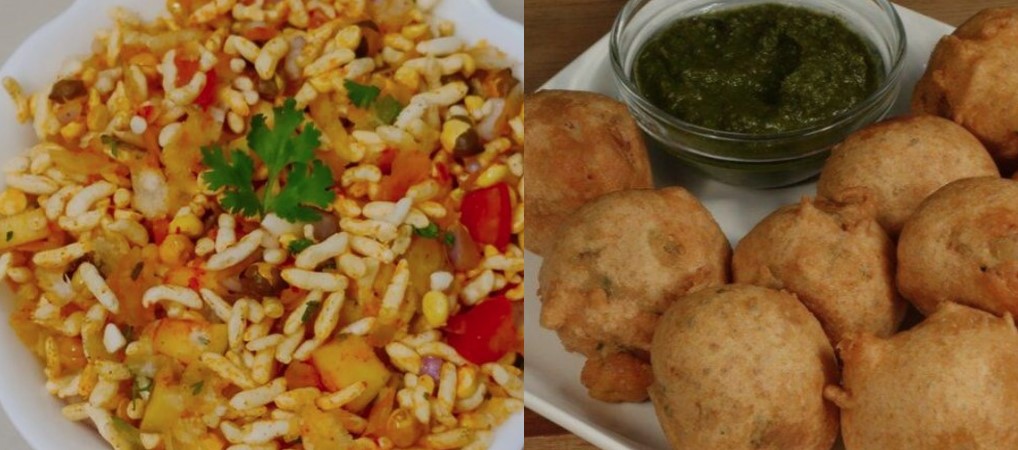
Don’t forget to eat that 𝑎𝑎𝑙𝑜𝑜 𝑏𝑜𝑛𝑑𝑎,” he said again, his voice steady now.
“I will,” I replied with a smile, stepping away.
Only a week earlier, his son had wheeled him into the hospital OPD, visibly anxious. A driver in our hospital, his face betrayed his helplessness as he pushed the wheelchair into my room.
“Sir, my father isn’t talking. He doesn’t recognize us. And look—his right arm—it’s gone,” he said, his voice trembling.
On the bed lay a man of 73. Words tumbled out from his mouth, jumbled and unclear. His face was twisted; one side drooped, his mouth sagged, and his right arm hung limp and lifeless. It didn’t take long to connect the dots.
“He’s had a stroke,” I told the son, and the residents around me sprang into action.
The blood pressure cuff hissed, the glucometer pricked his finger, and the monitor beeped softly as it measured his vitals. He was rushed for a CT scan, which confirmed our suspicion—a shadow on the parietal lobe, a silent cry from his brain, starved of blood.
The usual steps unfolded with practiced urgency. A resident leaned in, his voice steady, “Can you hear me? Squeeze my hand if you can.” The patient’s hand lay limp, unresponsive. Another resident pressed a car key gently along the sole of his foot, her gaze fixed on his big toe—it twitched upward, confirming the brain damage. A percussion hammer tapped against his knee; the leg remained still. A cotton swab brushed his skin, followed by the faint prick of a needle. “Feel this?” the resident asked, but the blank stare was answer enough.
Nearby, the nurse prepared the clot-busting injection. The syringe slid in, delivering a lifesaving dose. Medications followed in quick succession—blood thinners, BP stabilizers, and cholesterol pills—all lined up in the fight to restore what the stroke had stolen. Time pressed on, relentless.
Days in the ICU passed. Slowly, he got better. He was moved to a private room, where a physiotherapist started working on his weak arm. He began eating and sleeping. Words came back, though slowly. Numbers puzzled him, and he struggled to name his fingers—clear signs of damage to his brain.
Then, just when we thought the worst was behind us, trouble struck again. He got a fever, and coughed. His lungs crackled rattled like an old bullock cart over a potholed road. Pneumonia. Antibiotics cleared the infection, and a feeding tube replaced his meals to prevent choking, while a catheter kept him dry.
“I don’t like this,” he grumbled one day. “You don’t know what’s wrong with me. Let me go. I’ll try Ayurvedic treatment.”
My residents exchanged incredulous looks. All the toil, all the medicines—only to hear this? Their frustration was palpable.
I tried to reason with him gently. “Stay just a few more days. Let us help you regain your strength.”
He shook his head, resolute. “I haven’t bathed or shaved. I want to go home. I need hot water and a barber to clean me up.”
We pleaded again. Reluctantly, he stayed.
Then he improved. Time, treatment, and the tranquil rhythm of hospital care worked their magic. He sat up, moved his arms, and walked to the toilet with renewed strength.
The day came to send him home.
“Today, my father is feeling much better,” his son said, his face lighting up with a genuine smile. “ This morning he ate a big bowl of 𝐾𝑎𝑐ℎℎ𝑎 𝑐ℎ𝑖𝑤𝑑𝑎 and even asked for more!”
We could understand his joy. After days of worry, his father had finally found an appetite for life again.
The mention of 𝐾𝑎𝑐ℎℎ𝑎 𝑐ℎ𝑖𝑤𝑑𝑎 stirred something deep within me. “Did you ever eat it from the one-legged vendor near Rambharose Hotel?” I asked, unable to resist.
His face lit up. “𝐾𝑎𝑐ℎℎ𝑎 𝑐ℎ𝑖𝑤𝑑𝑎! Four annas for a cone, and the taste of 𝑗𝑎𝑤𝑎𝑠 oil… nothing like it.”
We laughed, two strangers sharing a sliver of nostalgia. I was transported to my school days, the crisp, tangy taste of 𝐾𝑎𝑐ℎℎ𝑎 𝑐ℎ𝑖𝑤𝑑𝑎 lingering on my tongue.
He had spent his life working in Wardha, and it was the city where I was born. His words took me back to my school days, to the joy of eating 𝐾𝑎𝑐ℎℎ𝑎 𝑐ℎ𝑖𝑤𝑑𝑎 from the same vendor. Its flavours lingered in my memory, a delicious reminder of childhood.
He chuckled, the memory pulling him back many years. Then his voice softened. “These days, it’s 𝑎𝑎𝑙𝑜𝑜 𝑏𝑜𝑛𝑑𝑎 for me,” he said. “There’s a stall owner near Gajanan Mandir who makes them perfectly—spicy, crisp, just right. I eat two plates every other day.”
I glanced at his belly, round and firm, peeking out from under his shirt. No wonder his cholesterol was high.
The nurse handed him his discharge card. “Make sure he takes these pills and comes back for a checkup in two weeks,” The resident told his son.
As I reached the door, his voice carried over, steady and warm. “Doctor,” he called out, a playful glint in his eye, “don’t forget the 𝑎𝑎𝑙𝑜𝑜 𝑏𝑜𝑛𝑑𝑎.”
His words were tinged with a joy that only fond memories can bring.
“I will,” I said, though I knew I wouldn’t. Oily foods were forbidden for me now.
Walking back with my residents, I found myself reflecting. Was it the clot-buster, the physiotherapy, or even our care that brought him joy?
No. It was something simpler—a cone of 𝐾𝑎𝑐ℎℎ𝑎 𝑐ℎ𝑖𝑤𝑑𝑎, the crunch of a perfectly fried 𝑎𝑎𝑙𝑜𝑜 𝑏𝑜𝑛𝑑𝑎.
“These simple pleasures breathed life back into him,” a resident summued up aptly.
Exactly fifty years ago, we started the Kaccha Chiwda Club in Hotel No. 2. Dr. Nandu Chandak was the chairperson, and the members were Dr. Bohra, Dr. Warkari, you, and me. Such fond old memories!😃😃😃
Yes, I remember it well! You’ll also recall the Kaccha Chidwa party we hosted in March 1977 at GMC Nagpur Hostel 2, right after the Janata Party ousted Congress from power. We celebrated the victory in our own way! The five of us had prepared bucketfuls of Kaccha chiwda, and classmates from Hostel 2 and the surrounding hostels savored it to their heart’s content. Truly, those were the days!
Those were the days—a slice of heaven in life. Words fail me to describe them, but you are the perfect person to capture their essence. I would simply call it विधि का विधान.
Sounds delicious!
Sitaram Vooturi
In Sevagram aalubonda means Babulalji’s hotel, thariwaala rassakaa aalu bonda…
It’s a faded picture now.but Kachchaa chivdaa is still available in the chowk, with almost the same fragrance.
“Sunita” is the name of the lady chef near Gajanan mandir whose “Aalu bondas “ are indeed delicious as the patient exclaimed..The ‘tarri’ as it’s called that’s furnished with the Aalu bondas is really a delicacy which can easily stand in the queue of national and international cuisines but lacks the popularity..
considering the fat,calorie content and the amount consumed could easily be the cause of the stroke he had..
Sir,but for a foodie,moderation could be the key to sustain the balance between the health and the taste..
Aalu bondas once in a while can keep the foodie soul alive!!while staying healthy!!😀
Your description feels so real and vivid that I felt like I was part of the treating residents’ team. The way you’ve narrated the story makes it truly come alive—it’s exceptional in your words.
And yes, Babulal Allobondas with tarri and Wardha East vadas were always a favorite cuisine in our time!
I miss those days too sir…brought tears to my eyes..simplified Sewagram.
Sir , kachha chiwada n tyawar kachhi kairi… a deadly combination 😀
In English, they call it “icing on the cake.” But in our Marathi, especially as spoken in Vidarbha, it should aptly be called Kairi over Kaccha Chiwada. You’ve come up with a delightful new expression!
Wonderful story with a lovely ending. Chiwda and bonda were bonus!
Hahaha !!! One plate of Aloo bonda with rassa can create such miracles!!! I’m over joyed!!
Absolutely true, sir
The Joy in simple things… Chiwda!
Plus the nostalgia of physical examination – neurology… Transported me back to the medicine department.
Very nicely penned Sir…there are times when we are also missing the samosa of hospital canteen just across our medicine OPD…
Sir… All these write ups are very reflective and give a unique perspective. You should seriously think of publishing it either as a compilation or individual perspectives.
So well written ! It was a pleasure to read…having worked in critical care all my life i have often seen residents and consultants so caught up in the complex web of reports and monitoring data that they forget that there is a human being amidst it all. A small joke , a reassuring holding of hand , an empathetic glance means a lot to a patient who has some comprehension . It might be the only bright spot on that painful and sad day. It helps a lot in the emotional healing of the patient which directly translates into fewer days in the ICU and quicker discharge from the hospital. It is also therapeutic for the doctor who derives emotional fulfillment leading to greater job satisfaction and more attention to the patient. The human connect between doctor and patient can not be overemphasized.
Childhood memories have a way of embedding themselves deep within us, their essence lingering long after the years have passed. Some are so vivid and delightful that they spark an endorphin rush no other joy can replicate. The nostalgic aroma and taste of kaccha chiwda have left an enduring imprint on his gray cells—so powerful that even the hypoperfusion of the gray cells couldn’t blur it.
Sir, your storytelling is so powerful—please keep sharing your magic; we cherish every word!