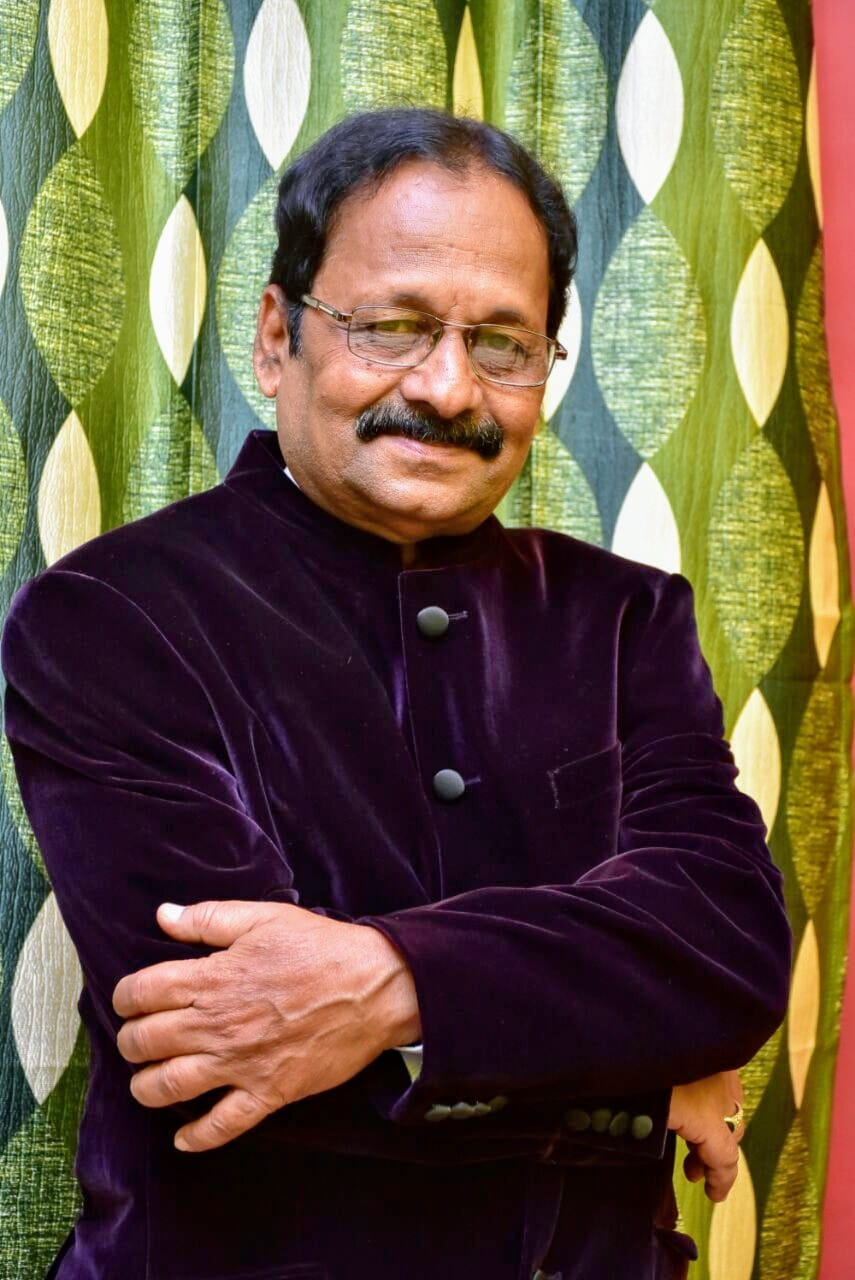
Sudhakar Dhakite is a son of the soil, literally. Born in Narkhed—a town that sits ninety kilometres northwest of Nagpur—he was raised by a farmer. In those parts, you learn early that if you don’t put in the work, the crop doesn’t grow. It is a simple, unsentimental philosophy that Sudhakar carried into the wards of Government Medical College, Nagpur, when he joined the 1973 “Maitry” batch.
His education was a steady trek across the Vidarbha landscape: schooling in Tirora, pre-med at Nabira College in Katol, and finally the grit of GMC. While others in our batch were plotting escapes to the UK or the States, Sudhakar seemed perfectly content with the geography he knew. He did his rural internship in Tiroda and his urban stint in Tumsar. He wasn’t just passing through these towns; he was auditioning them for a lifetime of service.
The Bhandara Sentinel
If there is such a thing as a “district man,” Sudhakar is it. He spent his entire professional life in Bhandara. Starting in 1979, he began a long, rhythmic tour of duty through the state’s healthcare machinery. He moved from the primary health centres of Amgaon and Deori to the TB Centre in Bhandara and the rural hospital at Mohadi.
In the corridors of government service, it is easy to become a cynic or a post office—merely passing files from one desk to another. Sudhakar chose a different path. He didn’t just occupy the chair; he inhabited the role. By the time he rose to become the Medical Superintendent of the Sub-district Hospital in Tiroda, he had developed a reputation for being a man who could actually get things done without making a song and dance about it.
The Tumsar Triumph
The peak of his career was, by any measure, extraordinary. Under his watch, both Tiroda and Tumsar hospitals became the envy of the district. They weren’t just clean; they were functional. Both earned the Anandibai Joshi award, but the real thunder came in 2008. At a ceremony in Mumbai, his Tumsar hospital was declared the best in all of Maharashtra.
The ministers—Vimal Mundhra, Chandrakanta Patil, and Ranjit Kamble—were there to hand over the trophies. It was a classic “Lucknow Boy” moment: a man from the periphery standing at the centre of the state’s recognition. When asked about his management secret, Sudhakar offered a quote that would make any MBA professor weep with envy. He said he just motivated people and let them get on with it. It’s a rare thing in India—a boss who actually trusts his staff.
Poetry and Prabhu Krupa
Sudhakar retired in 2011, but the government, in a rare fit of wisdom, asked him to stick around for another seven years to run the Non-Communicable Diseases Cell. He finally called it a day in 2018, retreating to his home, “Prabhu Krupa Niwas,” in Tumsar.
Life at home is a pleasant mix of the literary and the domestic. His wife, Kavita, is a poet—a necessary balance, I suspect, to a life spent looking at X-rays and government circulars. Their children have done them proud. Their daughter, Shraddha, an MBA, runs educational ventures in Nagpur with her husband, Shirish. Their son, Saurabh, a VNIT Nagpur graduate, is an engineer at John Deere in Pune, married to Saswati, a software engineer from Guwahati.
Today, Sudhakar watches over his grandson, Sarthak, and reflects on a life lived without the need for fancy titles or foreign shores. He proved that you can stay exactly where you started and still change the world—or at least the corner of it that matters most.