Category: Heritage & History

Documenting the legacy of MGIMS, Sevagram heritage, and medical history.

  • 𝗠𝗶𝗱𝗻𝗶𝗴𝗵𝘁 𝗠𝗲𝗱𝗶𝗰𝗶𝗻𝗲: 𝗧𝗵𝗲 𝗥𝗮𝗰𝗲 𝗔𝗴𝗮𝗶𝗻𝘀𝘁 𝗧𝗶𝗺𝗲 𝘁𝗼 𝗥𝗲𝘀𝗰𝘂𝗲 𝗩𝗶𝘁𝘁𝗵𝗮𝗹

    Alcohol and a snake. Two unlikely companions in the dark, yet both played a role in the mysterious arrival of Vitthal (name changed) to the emergency room of our hospital. Two days ago.

    It was well past midnight when Vitthal, consumed by alcohol, began to babble about a snake. In the quiet of his village home, he had drunk more than his share. He was incoherent and confused before trying to rest. Suddenly, he awoke with a start, claiming to have seen a snake slither across the floor and vanish.

    The family searched for the snake diligently. No serpent was to be found, nor were there any signs of a bite—no swelling, no bleeding, nothing.

    Initially, his family blamed the alcohol. They brushed off his claims as hallucinations. This was familiar story for them. They’d seen it all too often. However, as the night wore on, Vitthal’s condition worsened. His speech slurred, his breathing labored, and his eyes grew heavy. Concerned, his family rushed him to the nearest health center, where he was diagnosed with an alcohol-induced neurological disorder.

    It was well past midnight when he arrived in our ICU. Our young physicians surrounded him, employing a Sherlockian approach to connect the dots. They noted the peculiar circumstances—midnight, sleeping on the floor, absence of typical snake bite symptoms. The mystery was solved. Could this be the work of a krait, a nocturnal snake known for its stealthy attacks and vicious venom?

    Acting swiftly, they administered anti-snake venom and nerve-restoring medications. A mechanical ventilator aided his breathing. Miraculously, within hours, Vitthal’s eyes regained their clarity, and he no longer needed the ventilator. As he was transferred to the ward, however, another battle loomed—alcohol withdrawal.

    In the dead of night, when fatigue threatened to cloud their judgment, these sleep-deprived junior doctors rose to the occasion. Their keen instincts and quick thinking not only identified the true culprit but also spared a life on the brink.

    Kudos to these tireless heroes who, despite the late hour and their own fatigue, emerged victorious in the fight against the shadows. They ensured that dawn would bring not mourning but the promise of a new day for Vitthal.

    Only if he stays away from the alcohol bottle.

  • The Anatomy of Compassion: A Tale of Generosity and Discovery

    In the corridors of our hospital, a remarkable story unfolded just a day ago. A woman well into her nineties, her spirit worn by time but her resolve firm. Hailing from a village 200 kilometers east of Sevagram, she lived out her days in the company of memories and her devoted son after the loss of her husband.

    But fate had other plans. Liver cancer brought her to our doors. An orange-sized tumor, an unwelcome intruder, had made its home not just in her liver but had spread its tendrils into her lungs and beyond. Despite our best efforts, we knew her time was short. Medicine could not offer salvation; surgery could not mend what was broken.

    Two nights under our care, and her body began to betray her. Organs failed, each one surrendering to the inevitable until her heart, too, fell silent. Beside her, her three sons, all in their sixties, bore witness to her final moments.

    Yet, amidst the sorrow, a profound exchange occurred. A day before, a team of medical students, granted permission by her son, surrounded her. With reverence and curiosity, they took her medical history, seeking answers to the fundamental questions of What, When, Where, Why, and How long. What they found surprised them—a firm mass where there should have been softness, fluid where there should have been none. In her, they saw not just a patient, but a source of knowledge, a proof to the complexities of the human body.

    “We learned so much from her,” one student remarked, “knowledge that will guide us as we spend more time in the medical and surgical wards of the hospital.” For them, it was more than a bedside visit; it was a lesson in empathy, in the fragility of life.

    Hours later, tradition collided with revolution. Instead of the customary rituals, her sons, spurred by admiration for the students and a sense of duty, chose a different path. They decided to donate their mother’s body to the Anatomy department, where it would become a tool for learning, a vessel of discovery for future generations.

    “What led you to this decision?” I inquired as I visited the family in their home in Sevagram. Their answer was simple yet profound. They recounted the influence of  Dr Khandekar, a respected Physics professor from the Institute of Science Nagpur, who, even in death, continued to impart wisdom by willing his body for donation at the ripe age of 102. They spoke of duty, of legacy, of honoring a life well-lived.

    And so, in death, she found immortality—not in the flames of a funeral pyre, but in the hearts of those she left behind and in the minds of the students who would carry her legacy forward.

  • Dr. Swarna Lata Samal

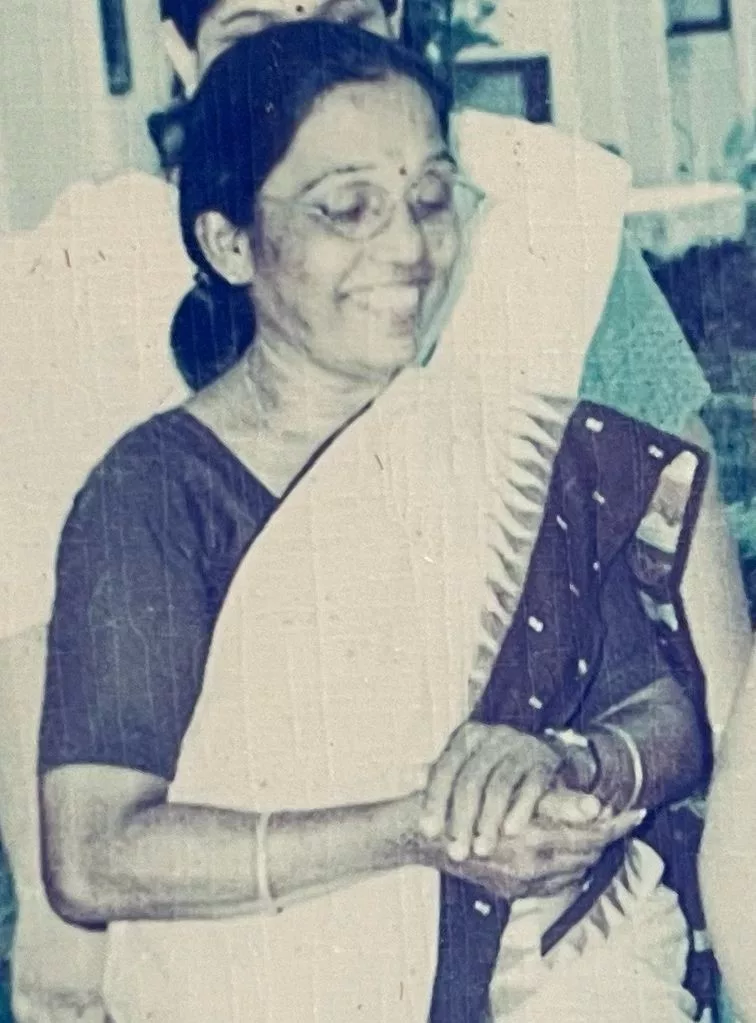
    Dr. Swarna Lata Samal

    Dr. Swarna Lata Samal, born on April 14, 1948, passed away this morning. She leaves behind a legacy of simplicity and selfless service.

    Life, for Mrs. Samal, was a tumultuous journey. Filled with highs and lows , her life journey tested her resilience and spirit. She faced tempests that would have shaken the bravest of hearts. A mere year ago, she grappled with the grip of dengue encephalitis, emerging victorious after a gruelling month in the ICU. And yet, fate wasn’t done with its challenges; just months ago, she mourned the departure of her beloved husband, Dr. Narendra Samal, as he departed for the heavens above.

    And yet, she soldiered on, fighting her frailty.

    Dr. Swarna Lata’s tale was one of tribulations and triumphs. Born in the serene village of Kusupur, Odisha, Dr. Swarna Lata’s quest for knowledge and service began. Armed with determination and a thirst for learning, she began her medical odyssey at Srirama Chandra Bhanja Medical College and Hospital, popularly known as SCG Medical College, Cuttack, Utkal University. Graduating with distinction in 1970, she further honed her skills, earning her DGO and MD degrees from Nagpur University in 1976, all while navigating the intricacies of life and love. Her marriage to Dr. Khan in 1973 marked the beginning of a partnership fuelled by mutual support and shared dreams, with Dr. Khan selflessly prioritizing her aspirations over his own.

    Despite the religious differences between Dr. Khan, a Muslim, and his wife, Dr. Swarnalata, a Hindu, the couple embraced unity and inclusivity. They celebrated Sarasvati Pooja together, paying homage to Goddess Sarasvati. Their commitment to harmony extended to their home, which they named Saraswati Sadan. Their home became a gathering place for a group of medical students, who were welcomed with sweets and affection by the couple. Fondly recalling those cherished moments, Dr. Vijai Gupta, an MGIMS alumnus of the 1976 batch and a pathologist, reminisces about how Dr. Khan and his wife treated medical students with love and warmth, transcending religious boundaries to nurture a sense of belonging among their students.


    Joining the corridors of MGIMS, Dr. Samal’s journey took flight. From a diligent resident to a revered professor, she traversed diverse departments-Obstetrics and gynaecology, Pediatrics and Community Medicine. . Her tenure in Obstetrics and Gynecology stands as a testament to her prowess, marked by steady progression from lecturer in November 1976 to department head in 2007. The year 2007 brought unexpected twists as she found herself thrust into the role of department head amidst internal strife, a position she embraced with characteristic grace and fortitude until her retirement.

    However, her ascent to this position was anything but smooth. When Dr. Shakuntala Chhabra, the department head, was obligated to vacate her post upon assuming the role of dean in October 2007, Dr. Samal was taken aback. She felt sad and sullen when she learned that Dr. Poonam Verma, a former student who was 15 years her junior, was appointed to lead the department. As retirement loomed on the horizon, this unexpected turn of events stirred a maelstrom of emotions within her. Feeling a sense of injustice, she penned a heartfelt letter to Dhirubhai Mehta, the president of the Kasturba Health Society overseeing the medical college. She articulated her grievances. In her missive, she underscored her unrecognised role in shaping MGIMS during its nascent stages and reminisced about her collaborations with mentors like Dr. P. Nayar, Dr. Trivedi, and Dr. Acharya. Fortunately, wisdom prevailed, and she was entrusted with the department’s leadership until her retirement, a fitting culmination to her illustrious tenure.

    Post-retirement, Dr. Samal’s passion for healing found new avenues. Joining JNMC Savangi, she continued her legacy of service, leading the Obstetrics and Gynecology department with her trademark blend of expertise and compassion. Concurrently, she lent her skills to Jawaharlal Nehru Medical College in Wardha, answering the call for experienced faculty with characteristic zeal.

    Concurrently, she also pursued private practice in Wardha.

    She continued her tenure until April 2008 before joining JNMC Savangi, where she led the Obstetrics and Gynaecology department for a decade while also engaging in private practice in Wardha.

    In a curious turn of events, in 1990, Jawaharlal Nehru Medical College, a private institution, was established in Wardha. The college was desperately looking for experienced faculty members. Dr. Samal answered the call. She temporarily left MGIMS from January 1992 to August 1993 to contribute her expertise to the fledgling institution before returning to her alma mater.


    Throughout her career, Dr. Swarnalata Samal’s dedication to teaching and mentoring in the Obstetrics and Gynaecology department at MGIMS left an enduring impact on her students. In 1983, she ascended to the position of post-graduate teacher, a role she embraced with passion and dedication. Under her tutelage, she guided the theses of an impressive cohort of 21 residents, each of whom benefited from her expertise and guidance.

    Among the notable residents mentored by Dr. Swarnalata Samal are Suchitra Pandit (1977), Mohini Goswami (1977), Jyotsna Bajpai (1978), Darshana Samant (1978), Poonam Jaiswal Karanwal (1979), Bindu Ballani (1979), Late Sarita Verma-Kathuria (1980), Naheed Khan (1981), Malini Prasad Panchapagesan (1982), Nanda Jain-Raidasini (1982), Neeru Khurana (1983), Seema Sharma-Kamath (1984), Anupama Sharma-Chakravorti (1988), Preeti Agarwal-Jindal (1989), Rakhi Gajbhiye (1990), Sangeeta Daf-Kumar (1990), Aparna Srishti Kaipa (1992), Ambreen Qureshi (1994), Prajakta Sawai-Aswar (1994), Rachana Sharma (1993), and Rajesh Bawaskar (1996).

    Under her mentorship, these residents not only flourished academically but also imbibed invaluable lessons in compassion, professionalism, and excellence, shaping them into exemplary practitioners in their own right. Dr. Swarnalata Samal’s legacy lives on through the accomplishments of her students, a testament to her enduring impact on the field of obstetrics and gynaecology.


    All her life, she played a crucial role in the lives of countless women , utilizing her skills and experience. Armed with a deep understanding of reproductive health, she guided expectant mothers through every stage of pregnancy, providing meticulous prenatal care, monitoring foetal development, and ensuring safe delivery. In the throes of childbirth, she helped residents in managing childbirth complications, fostering a calm atmosphere in the operating theatre. With precision, she performed surgical procedures to treat gynaecological conditions and obstetric complications, including caesarean sections, hysterectomies, and laparoscopic surgeries. Recognizing her limitations, she openly acknowledged when a procedure exceeded her expertise and welcomed input from colleagues and residents. “She adeptly managed complications with grace and composure,” recalled her former student.


    She displayed humility whenever she sought the skills of her juniors. Unlike many professors during her time who instilled terror and fear in the minds of students and residents, she was always approachable and open to conversation. Speaking in English with a distinctive Odia accent, she wore simplicity on her pallu.

    She never carried herself like a typical professor, not even a bit.


    Dr. Shubhada Jajoo reflects, “I had the privilege of working alongside her for a long period, both at MGIMS, JNMC, and in her private practice. Gentle, compassionate, and unfailingly courteous, she dedicated herself to the care of her patients, sometimes even providing meals for homeless women. I had never seen her getting angry or scolding her patients or residents. She loved nature; she took a keen interest in plants and plantation efforts.”

    Dr. Shubhada Jajoo reflects on her time working alongside Dr. Swarnalata Samal, spanning MGIMS, JNMC, and her private practice. She said, “Dr. Samal was a gentle, compassionate, and unfailingly courteous woman. She dedicated herself wholeheartedly to patient care. Her kindness extended beyond medical treatment; she often provided meals for homeless women, showcasing her generosity. I never saw Dr. Samal expressing anger or scolding patients or residents. She loved nature, and took a keen interest in plants and participated actively in plantation efforts.”


    Dr. Sutekha Tayade, who had the privilege of working closely with Mrs. Samal from 2002 to 2008 at MGIMS, fondly recalls, “Mrs. Samal was truly exceptional in surgery. She had this incredible precision and skill that brought about outstanding results in even the most challenging operations. And her thirst for knowledge was insatiable! Always eager to learn new techniques and technologies, she approached everything with such childlike curiosity. I remember vividly how dedicated she was to mastering laparoscopic surgery when it was introduced in Sevagram. She’d spend hours perfecting her skills, determined to give her patients the best care possible. Even in her later years, when robotic surgery emerged, she jumped at the chance to expand her expertise. Despite her own health challenges and struggles with forgetfulness, she never stopped sharing her wisdom and experience, always mentoring the younger doctors at the hospital in Wardha.

    And on a personal note, I’ll always treasure her kindness during my early days as a young mother when I first joined MGIMS as a lecturer in Obstetrics and Gynaecology. She made sure I got the rest I needed, putting a ban on calls after 4 am and even attending to emergency calls herself. She had this nurturing warmth about her, always bringing breakfast for us and meals for homeless women in need. She was so modest and humble, never seeking attention for herself but letting her work speak volumes. It was truly heart-warming to see so many former students gather at her funeral, paying their respects with tears in their eyes. She was indeed a remarkable soul.”


    Swarna Lata’s personal life was marked by a profound bond with her husband, transcending religious boundaries and demonstrating love and warmth to all who crossed their path.

    In 1991, a scooter accident, a cruel twist of destiny, threatened to destroy her career. Yet, through it all, Dr. Swarnalata and Dr Samal stood tall, their bond unyielding in the face of adversity. Supported by her husband’s care and devotion, she weathered a head injury in an era when helmets were unheard of, spending a fortnight in a neurological institute in Nagpur. Despite the challenges, she recovered enough to resume her duties—delivering babies, performing surgeries, and overseeing postgraduate theses.


    The passing of Dr. Khan in December 2023 marked the beginning of a decline in Swarna Lata’s health. Despite her own frailty, she selflessly cared for her husband during his final years, personifying the strength of their bond and her never-ending commitment to their partnership.

    Mrs. Samal possessed a rare humility that charmed everyone who she met. Unassuming and devoid of any pretense, she treated everyone with dignity and made them feel at ease, whether they were colleagues, patients, residents, or students. Despite her expertise, she never flaunted her knowledge or position, preferring to wear simple saris and carrying herself with the unassuming grace of a woman from a village. Her distinctive Oria English style added to her unique charm, and she effortlessly mingled with her juniors. She succeded in nurturing an environment where learning thrived. Her kindness knew no bounds; she tirelessly cared for her juniors and patients, always attentive to their unspoken needs. Her thirst for knowledge was insatiable, constantly seeking to learn the latest advances in medicine and surgical techniques to better serve her patients. Though she may not have fit the mold of a typical professor, her impact on those around her was immeasurable. She left behind a legacy of compassion, humility, and dedication to the art of healing.

    Today, as we bid farewell to Dr. Swarnalata Samal, let us remember her contributions to the field of Obstetrics and Gynaecology and the profound impact she had on those around her. Dr. Swarnalata Samal, a healer, a teacher, a beacon of hope—may your legacy endure for all eternity. Our deepest condolences go out to her family, friends, and colleagues during this difficult time.

  • Dr Narendra Samal

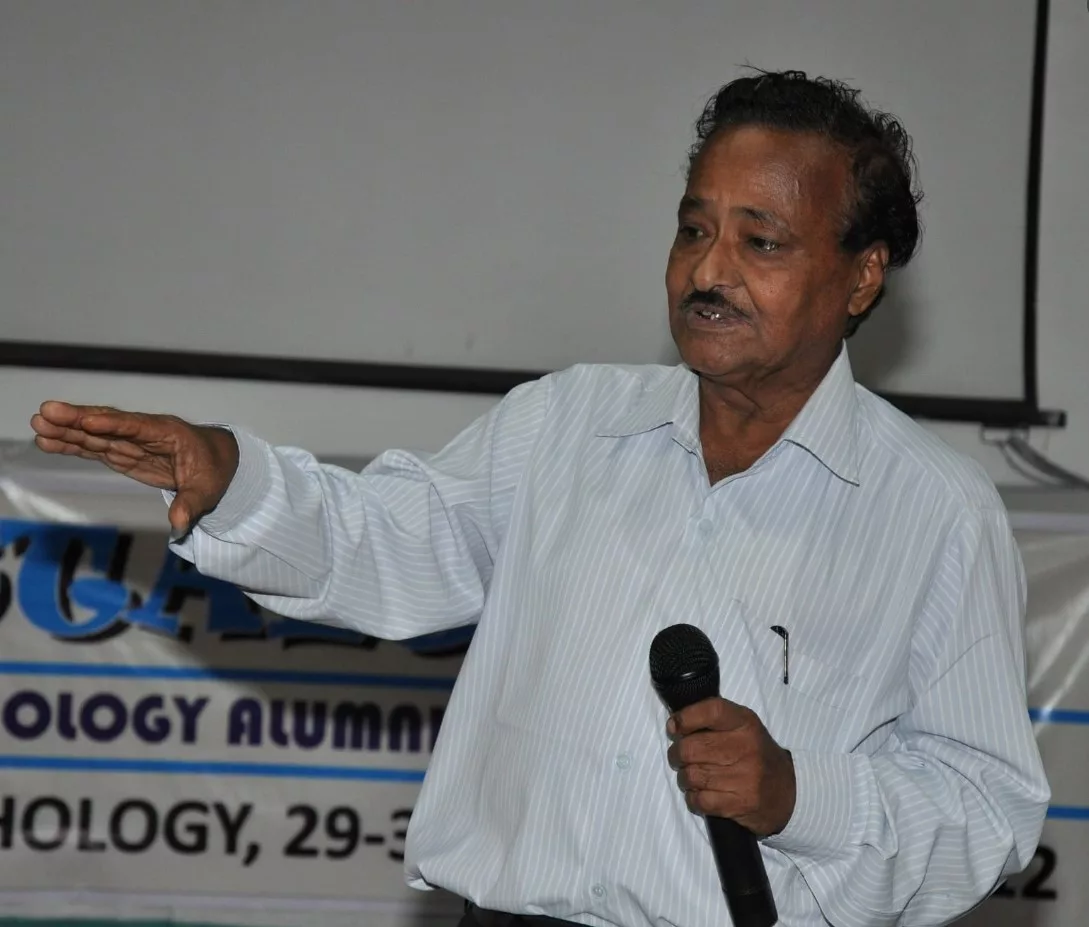
    Dr Narendra Samal

    (2 April 1947-3 December 2023)

    I begin this obituary with deep respect for Dr. Narendra Samal (formerly known as Naziruddin Khan until 1985), a remarkable pathologist who exemplified the principles of gender equity as a true role model.

    Dr. Samal’s dedication to gender equity was evident in the decisions he made to support the professional growth of his wife, Swarnalata Samal. In an era when such choices were unconventional, he transcended societal norms.

    In the eighties, Dr. Samal opted for a conversion from Muslim to Hindu. A decision, unthinkable in the 1980s.

    During their tenure at MGIMS, both lacked an MD degree, and financial constraints prevented them from pursuing a three-year MD degree elsewhere. Dr. Samal, adhering the principle of “Ladies First,” prioritized his wife’s education, allowing her to complete her post graduation in Obstetrics and Gynaecology before pursuing his own MD in Pathology.

    In the nineties, when Mrs. Samal faced career obstacles at MGIMS, Dr. Samal made a courageous decision. Without hesitation, he resigned from his esteemed position as a professor and head of Pathology, choosing the opportunity for both of them in a newly established medical college in Wardha.

    This move was fuelled by his commitment to his wife’s potential leadership role as the head of the department in the new institution.

    Such selfless sacrifices for a spouse’s professional aspirations were uncommon in the eighties and nineties, yet Dr. Samal, through his actions, set an extraordinary personal example.


    Early days
    Born on April 2, 1947, as Naziruddin Khan to Muniruddin Khan, his journey began in humble circumstances. He completed his higher secondary exam in 1963 from Orissa, hailing from the village of Charinangala, located 50 km east of Cuttack, in the Badchana tehsil. It was a mere four months before India achieved its independence that he came into the world.

    Tragedy struck early in Dr. Khan’s life as he lost his parents during his childhood, leaving him to face the challenges of abject poverty while pursuing his education. Despite the adversity, he remained resilient, never losing hope or succumbing to despair. With determination, he pressed forward, surmounting every obstacle that crossed his path.

    He did his Pre-University and Pre-Professional studies at Bhadrak College, Utkal University, in 1964 and 1965, respectively. Driven by his passion for medicine, he subsequently enrolled at Sriram Chandra Bhanj Medical College in Cuttack, Orissa. There, he devoted himself to his studies and emerged with an MBBS degree in June 1970, marking a major milestone in his path to becoming a medical professional.

    Dr. Khan’s early years laid the foundation for his resilience and perseverance. Despite the hardships he endured, he forged ahead, illustrating his indomitable spirit and commitment to his education and future.


    Sevagram
    Mr. Bihari Lal, a selfless Gandhian dedicated to the Banwari Seva Ashram in Govindpur, Mirzapur district of Uttar Pradesh, had a long-standing connection with Dr. Sushila Nayar, dating back to their days in the freedom struggle. Seeking a suitable opportunity for Naziruddin Khan, an ambitious and hardworking young man who had lost his parents at an early age but possessed a strong desire to advance his career, Mr. Bihari Lal reached out to Dr. Sushila Nayar in a heartfelt letter. True to her compassionate nature, Dr. Sushila Nayar swiftly responded, extending a warm invitation for Naseeruddin Khan to join her institute and encouraging him to explore various possibilities. As destiny would have it, in the summer of 1972, Naziruddin Khan arrived, and the only available position at that time was that of a house officer in Medicine, which he eagerly accepted.

    The subsequent events have become an indelible part of history.

    In May 1972, Dr. Khan started his medical career as a house officer in Medicine at MGIMS. Just a few months later, in August 1972, he was appointed as a lecturer in Pathology. In 1973, he married Swarnlata, a momentous event in their lives. At that time, neither of them possessed a postgraduate degree, and they made the bold decision to relocate 1000 km west to Sevagram. It was a transformative move, exposing them to a new land, language, and culture that differed greatly from their previous surroundings.

    Driven by his dedication as a husband, Dr. Khan prioritized his wife’s educational journey, recognizing the financial constraints that prevented them from pursuing post graduation simultaneously. Swarnalata embarked on her own path and successfully obtained her DGO degree from Nagpur University, securing the highest marks. Her next goal was to complete her MD course at Government Medical College, Nagpur, scheduled for November 1976.

    Dr. Khan eagerly awaited the completion of his wife’s post graduation to pursue his own studies in Pathology. He initially sought sponsorship from MGIMS for an MD program at PGIMER Chandigarh and also tried his luck at AIIMS Delhi. However, fate had other plans. In April 1977, he commenced his MD in Pathology at Sarojini Naidu Medical College in Agra. Under the guidance of Dr. B Lahiri, he conducted research on the epidemiology and histology of gastrointestinal tumours for his MD thesis. After completing his MD in May 1979, he returned to Sevagram, ready to begin the next phase of his career.

    Dr. Khan’s dedication and expertise led to significant advancements in his professional journey. He steadily progressed within MGIMS, achieving the position of Associate Professor in March 1984 and eventually rose to become a Professor in November 1985. Earlier, in January 1981, as a reader in Pathology, he took over the baton from Dr. Madan Mohan Arora.


    Teacher

    Dr. Samal wore short temper on his sleeve. “He used to strike terror in the hearts of students. Flying chalks and even dusters were routine in his class,” recalls Monika Ahuja (1982 batch). “Despite the occasional turbulence, we were blessed to have been taught, scolded, and rebuked by this teacher in his inimitable style,” reflects Abhay Kelkar (1987 batch). Yet, amidst these storms, Dr. Samal’s passion for the subject, his strong sense of discipline, and his strong desire that all students must know Pathology by heart were unmistakable.

    Among MGIMS students from 1975 to 1992, Dr. Khan was bestowed with the nickname “Khan Chacha” by his students.

    Dr. Khan served as a mentor and guide to 17 postgraduates in the department, guiding them in the completion of their MD theses. Those who benefited from his mentorship include VC Gupta, (Late) M Jawlekar, Aruna Mutha, Kiran Swarup, Sushma Saraf, Milind Jagtap, Nitin Gangane, Girish Muzumdar, Girdhar Das, M Agrawal, Gajendra Singh Yadav, Subir Mitra, RB Mulay, Dinesh Mazi, Fatima Wali, Indrapali Gujral, and Renuka Kulkarni. Dr. Khan’s commitment to nurturing the academic growth of his mentees is evident in the diverse range of pathologists who pursued their MD theses under his insightful guidance. Dr Nitin Gangane went on to become the Dean of the MGIMS and later vice chancellor of K.L.E. Academy of Higher Education and Research, Belagavi.

    Dr. Khan’s journey exemplifies his firm dedication to both his own education and the mentorship of others. Through his tenacity, he overcame challenges, pursued his dreams, and made a profound impact on the medical field, leaving an indelible mark on the students he guided along the way.


    The rector who would keep students straight
    In September 1988, Dr. Khan willingly took on the role of warden alongside Dr. AP Jain for the boys’ hostel. The administration entrusted him with the task of instilling discipline among the residents, maintaining cleanliness, and enhancing the overall environment of the hostels. Dr. Khan and Dr. Jain designed innovative approaches to fulfil these objectives, leaving a lasting impact.

    Dr. Sushila Nayar, impressed by their efforts, expressed her admiration and satisfaction in a heartfelt letter addressed to Dr. Khan. She expressed great pleasure in observing how diligently he fulfilled his duties as warden of JN Boys Hostel during 1987 and 1988. Dr. Nayar commended Dr. Khan for justifying the trust she had placed in him, highlighting his qualities of responsibility, conscientiousness, and reliability.

    Dr. Khan’s commitment to his role as warden, along with Dr. Jain, not only impressed Dr. Nayar but also contributed to the positive transformation of the boys’ hostel. His dedication and innovative approach in maintaining discipline and cleanliness created a nurturing and conducive environment for the residents.

    Dr. Khan’s service as a warden reflected his dedication to his responsibilities and his ability to make a meaningful impact in fostering discipline and overall well-being within the hostels.

    In the mid-eighties, Dr. Khan played a pivotal role in editing the MGIMS Annual reports. In this undertaking, he worked with Dr. S John Premendran (Pharmacology), Shankar Bhat (Physiology), Pradeep Joel (Surgery), J Anbalagan (Anatomy), Ashok Mehendale (Community Medicine), NC Prajapati (Paediatrics), Deepak Kumar Mendiratta (Microbiology) and Mr CD Gokulachandran. Among his departmental colleagues at MGIMS during that period were Drs. Satish Sharma, and Narayan Ingole.


    From Sevagram to Sawangi
    InJanuary 1996, after spending two decades at MGIMS, Dr. Khan made the difficult decision to resign from his position and join JN Medical College in Sawangi (Meghe) Wardha. His choice was influenced by his wife, Swarnlata Samal, who had been offered the prestigious position of head of the department at the newly established private medical college in Wardha, where they would have the opportunity to contribute to its growth and development.

    Dr. Sushila Nayar learned about Dr. Khan’s decision to leave, and she shared her disappointment with a heartfelt note. Expressing her sadness at his departure, she mentioned the additional professorship she had created for Dr. Khan’s wife, Swarnlata, to ensure her promotion wouldn’t face obstacles. Dr. Sushila Nayar wished that Dr. Khan had discussed his decision with her beforehand. While acknowledging Swarnalata’s new role, she emphasized Dr. Khan’s position within the department and felt his departure deeply.

    Even though Dr. Sushila Nayar wanted him to stay, she respected his personal choice and wished him well in his new journey. Her personal note reflected the strong bond and mutual respect between the director of the institute and the faculty. It also underscored the impact Dr. Khan had made during his tenure at MGIMS under her guidance.


    The Depths of Love: Dr. Khan’s Unbreakable Bond with Swarnalata
    Dr. Khan’s life was a testament to his enduring love and sacrifice for his wife, Swarnalata. They were married in 1973, and despite differences in religion and clinical profiles, their bond was a true celebration of partnership. Swarnalata, born on April 3, 1945, embarked on her medical journey, earning her MBBS from Utkal University in 1970, followed by DGO and MD from Nagpur University in 1975 and 1976, respectively. Driven by her career aspirations, Dr. Khan selflessly supported her, prioritizing her education over his own.

    In a remarkable display of devotion, Dr. Khan encouraged Swarnalata to complete her post-graduation before pursuing his own academic pursuits. Her exceptional academic journey in Obstetrics and Gynaecology led her to achieve outstanding results in Nagpur University, culminating in an MD from Government Medical College in November 1976. Dr. Khan found joy in witnessing her success, despite their differing clinical specializations – he in pathology and she in a clinical field.

    The depth of their love was further evident when Dr. Khan willingly relocated to a newly established medical college. His decision was guided by the knowledge that this move would open doors for Swarnalata to become the head of the department. Their union, built on mutual support and respect, transcended religious boundaries. Despite being a Muslim, Dr. Khan, and his Hindu wife, Dr. Swarnlata Samal, celebrated Saraswati Pooja together, worshipping Goddess Saraswati. Their home became a haven for medical students, welcomed with sweets and affection, a tradition fondly remembered by Dr. VK Gupta, an 1976 batch MGIMS alumnus.

    In the early 1990s, the couple faced a challenging period when Mrs. Samal encountered a scooter accident, resulting in a brain injury. During this time, Dr. Khan’s dedication to her well-being shone through. Despite the lack of advanced medical facilities at MGIMS hospital, they navigated the situation with resilience. The absence of a CT scanner and neurologist prompted the transfer of Mrs. Samal to a Neurosurgery center in Nagpur, where Dr. Khan continued to play a crucial role in her care.

    The couple’s journey was marked by Mrs. Samal’s months-long battle with illness, during which Dr. Khan’s devotion to her recovery extended beyond medical care. His reassurance and comfort became integral to her gradual and remarkable recovery. Dr. Khan’s actions were a poignant expression of their enduring love, a love that transcended professional differences and religious boundaries, creating a legacy of compassion and commitment.


    Naziruddin Khan becomes Narendra Samal

    A Muslim accepting the Hindu religion and converting himself to a Hindu because his wife is Hindu? This was almost unheard of in the 1980s when Dr. Nazruddin Khan decided to do so. However, it was Dr. Khan’s decision to convert to the Hindu religion and change his name that truly demonstrated the depth of their bond and the strength of their relationship. In February 1985, he officially embraced his new identity, adopting the name Narendra Samal, which was duly recognized and documented in the Maharashtra Gazette. This act of transformation was almost unheard of during that era, and it symbolized the profound love and connection they shared.

    Dr. Samal’s love and sacrifice for his wife were evident in every aspect of their lives together. From supporting her educational pursuits to embracing a new identity to strengthen their bond, his commitment to their relationship served as a testament to their enduring love and devotion. Their story stands as an inspiration, reminding us of the incredible power of love and the sacrifices we are willing to make for those we hold dear.


    During his Sevagram days, Dr. Khan was easily recognizable by his choice of attire—a combination of white Khadi trousers and an off-white silk shirt, reflecting a unique and memorable sartorial taste. His penchant for betel nut and paan was well-known, and his paan-chewing habits had become legendary among those who knew him.

    Even within the confines of classrooms, he would teach with a paan nestled in his mouth; his paan-stained teeth, and a kaleidoscope of emotions playing across his face during conversations. Whether expressing anger at a challenging concept, amusement at a student’s witty remark, irritation with disruptions, happiness when a point was well understood, or indignant reactions to injustice, his distinctive Orissa background was evident in the way he spoke English, adding a unique touch to his communication style.

    *****

    A Stroke of Destiny

    In November 2017, having retired as a professor of Pathology and concluding his role in charge of the Medical Education Unit, Dr. Khan devoted himself to developing the clinical labs at JN Medical College, Sawangi, Wardha. However, fate had other plans. He faced a setback—a severe stroke that necessitated urgent admission to an intensive care unit in Nagpur, where he relied on mechanical ventilation for three challenging weeks.

    Alas, the stroke left him severely disabled, casting a shadow over the next six years of Dr. Khan’s life. He required help for all activities of daily living. Confined within the quiet walls of his home, he led the last phase of his life as a stroke victim, a captive to his bed, the echoes of vitality slowly replaced by the hushed whispers of resilience.

    In this challenging period, Mrs. Samal stood behind him, becoming the primary caregiver for her paralyzed husband and attending to his emotional needs. Despite facing the natural effects of aging and frailty herself, she continued to care for her ailing husband with remarkable resilience, never once expressing a “Why me” complaint. Her dedication and selflessness in providing care for Dr. Samal exemplify the strength of their bond and the depth of her commitment to their enduring partnership.

    On the morning of December 3, 2023, Dr. Khan passed away peacefully at home, surrounded by his wife, sons, daughters-in-law, and loved ones. The burden of suffering that he carried for six long years was finally lifted. His passing marked the end of a journey, bringing relief and tranquillity to a spirit that had navigated trials with a mix of valour and moments of hopelessness.

    May his contributions to the field of pathology and his unique personality be remembered and cherished. Our deepest condolences go out to his family, friends, and colleagues during this difficult time.


  • Celebrating the legacy of Dr. Sushila Nayar and the roots of MGIMS!

    Celebrating the legacy of Dr. Sushila Nayar and the roots of MGIMS!

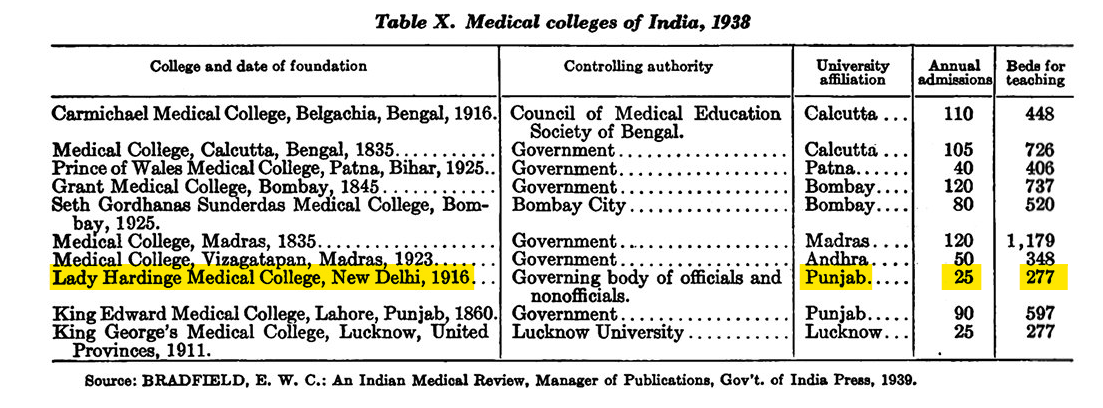
    Born in 1916, Dr Sushila Nayar earned her stripes at Lady Hardinge Medical College, New Delhi in 1938. A time when India had just 10 medical colleges, admitting a mere 600 students collectively. Lady Hardinge, affiliated with Punjab University, handpicked just 25 students annually for the coveted M.B.B.S degree.

    In this select group of 51 women who graduated from those 10 medical colleges in 1938, Dr. Sushila Nayar shines as a beacon of inspiration.

    The alignment is uncanny—both she and her alma mater, Lady Hardinge, took their first breath in the same transformative year of 1916.