Category: Heritage & History

Documenting the legacy of MGIMS, Sevagram heritage, and medical history.

  • Goras- A Canteen of Memories
    Goras- A Canteen of Memories

    A Dream Takes Shape
    In the heart of Sevagram, there once stood a canteen that would forever be etched in the memories of medical students spanning from the 1980 batch to the 2015 batch.

    This canteen was none other than Goras, a small oasis of milk products derived from cow’s milk, and its story began with the dreams of a young and determined 18-year-old named Dhananjay Patil.

    Dhananjay was a shy and tongue-tied boy, wearing an unassuming look. However, he quickly learned the art of making his dishes and beverages speak volumes for themselves.

    Though Dhananjay had faced setbacks in his studies, his spirit remained undeterred. He had spent years working under Apte Guruji, sweeping floors and arranging books in the Mahadev Bhavan library. However, the desire to create something of his own was burning inside him. Inspired by his father, Gulabrao, who had devoted his life to Goras Bhandar in Maganwadi, Wardha—an organisation known for its milk products and delectable Goraspak—Dhananjay set his sights on starting something special.

    A few medical students helped him break free from his father’s shadow.

    In 1984, Goras came to life, albeit in a humble form. Dhananjay set up as a hawker, selling bread, biscuits, and the beloved Goraspak in a tin shade, which once stood where the Central Bank of India was located in Sevagram. Right in front stood Gulabsingh’s Sevagram General Store.

    Little did anyone know that fate had grander plans in store for Goras.

    In 1990, Mr. Kanakmal Gandhi granted him a small shop right in front of the hospital gate, exactly where Dhananjay had started his business in that tin shade years ago. With this, a new chapter in the history of Goras unfolded, and the young entrepreneur began preparing and selling a delightful array of beverages – milk, tea, and coffee.

    A Journey of Culinary Wonders
    As fate would have it, Dr. Suhas Jajoo, a young plastic surgeon, joined the hospital’s surgery department in the mid-1980s. Suhas—a self-proclaimed foodie—took Dhananjay under his wing, teaching him the art of crafting cold coffee, lassi, and an assortment of delightful beverages.

    Paresh Desai (1980 batch) takes us on a delightful journey back in time. He fondly recalls the days when Dhananjay’s father, a staunch Gandhian with his Khadi attire and cap, held a sway over the young boy’s life.

    Paresh reminisces, “Sudip Ghosh (1983 batch) and I saw great potential in Dhananjay, and we encouraged him to step beyond tradition. Beyond the hot milk and Goras Pak, we suggested he explore ice-cold delights.”

    He continues with a nostalgic glint in his eye, “Banana shakes, mango shakes, milkshakes, and lassi began captivate the customers—quenching their hunger and thirst with every delightful sip. The canteen transformed into a realm of culinary wonders as we shared endless business ideas with Dhananjay.”
    The medical students, eager to contribute to the canteen that had become an integral part of their lives, also pitched in with ideas and support. Encouraged and inspired, Dhananjay kept innovating and experimenting, continually raising the bar for his humble canteen.

    In 1994, Dhananjay decided to expand the canteen’s offerings and transformed it into a vibrant juice center. Fresh oranges, sweet limes, and other succulent fruits adorned the shelves, tempting passersby to indulge in the goodness.

    The air now filled with the delightful aroma of freshly squeezed fruit juices. The tempting flavors of orange and sweet lime invited the taste buds of students and residents, and soon, chocolate shakes joined the menu as a crowd favorite.

    To realize his vision, Dhananjay secured loans from the Central Bank of India. With a mixer machine, refrigerators, and grinders, he created a cozy hangout space where up to 25 customers, mostly medical students, residents, and young faculty, could relax and savor their favorite beverages.

    Word of Goras’ charm spread like wildfire among the medical students and young faculty members. From the crack of dawn till well past 9 pm, Dhananjay toiled tirelessly, serving the students’ voracious appetites. Whether it was before their lectures in the Anatomy lecture hall, after bedside clinics, or in the evening before library visits, Goras became their haven of refreshment and relaxation.

    A Hub of Togetherness
    With his ever-present smile, Dhananjay catered to the needs of over 300 customers every day. Goras had evolved into a bustling hub of activity, where animated conversations and cheerful laughter reverberated. For medical students, Goras offered a much-needed respite from their demanding studies—a place to unwind, share stories, and forge friendships over glasses of refreshing juice.

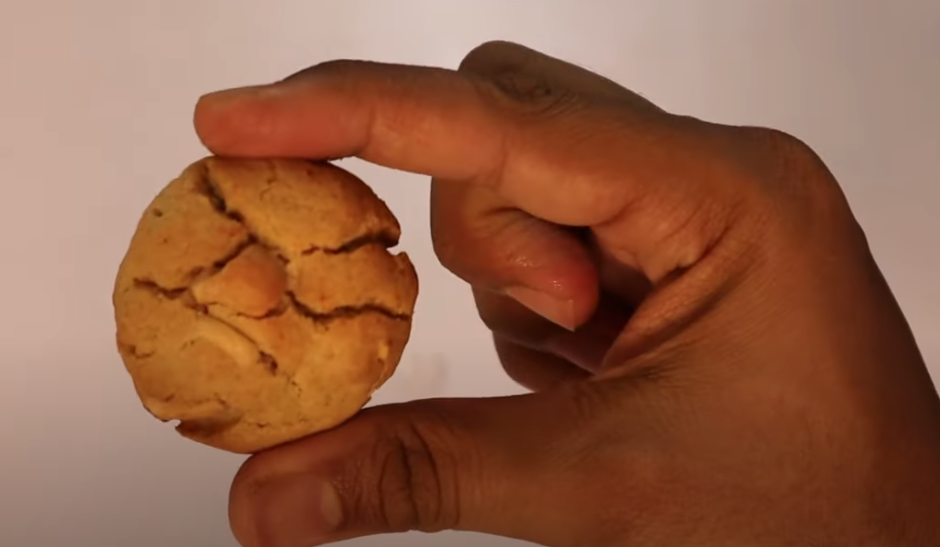
    Yet, Goras was not just about beverages; it had a delicious array of treats to complement the drinks. Sandwiches, stuffed with fresh vegetables and flavorful spreads, provided a quick and satisfying meal for students on the go. Aloo Paranthas, made with love and a generous dollop of ghee, offered a taste of comfort and home. And for those looking for heartier options, the veg burgers became the star of the show, with a burst of flavors that delighted their taste buds.

    Under Dhananjay’s warm and hospitable care, Goras became more than just a canteen—it became a gathering spot for friends, colleagues, and strangers who were soon embraced as part of the Goras family. The conversations that flowed over those glasses of fruit juice forged friendships that would last a lifetime.

    In 1996, Dhananjay’s father, Gulabrao, retired from Goras Bhandar in Wardha, and both his younger brothers, Sharad and Ratnakar, joined him in running the canteen. With the growing number of patrons, they expanded their team, hiring six more helping hands to keep Goras thriving.

    Goras became one of the most frequented spots in Sevagram. Long after the medical students had graduated from MGIMS, they would return to their alma mater, retracing their steps to Goras, reliving the nostalgia of their days when Goras had been their constant source of nourishment and joy.

    The End of an Era
    But, as the saying goes, all good things must come to an end. In 2015, Goras closed its doors for the last time. Dhananjay faced insurmountable challenges, finding reliable help and battling stiffer competition from new canteens that had sprung up in the vicinity.

    The once amiable and appreciative customers seemed replaced by quarrelsome ones who didn’t honor their debts. And to add to his woes, local goons began to harass and threaten him, disrupting the tranquility that once defined Goras.

    With a heavy heart, Dhananjay made the heart-wrenching decision to bid farewell to the three-decade-old establishment that had touched the lives of thousands of medical students in Sevagram. Goras had not only nourished their bodies but had become an inseparable part of their cherished student life, leaving behind memories that would forever linger in the corridors of their minds.

    A Cherished Memory
    Goras left behind a legacy that went beyond milk products and tasty treats. It symbolized the power of a small canteen to unite a community and create lasting bonds. For the medical students of Sevagram, Goras will forever be a cherished memory, representing the simple joys and strong bonds that made their time in medical school so special.

  • Stoic Amidst Snakebite: Rakesh’s Tale of Resilience

    In a bustling Ashoka hotel along the Nagpur-Hyderabad highway, in Jamb, Rakesh (name changed) was going about his daily routine, completely unaware of the danger that awaited him.

    It was Thursday midnight, with the staircase dimly lit and heavy rain pouring down, adding an eerie atmosphere to the scene.

    Little did Rakesh know that as he reached out to grasp the staircase railing, a deadly Cobra lay coiled, ready to strike!

    With lightning speed, the Cobra struck, sinking its venomous fangs into Rakesh’s unsuspecting hand. Time seemed to slow as fear and pain coursed through his veins. But in that critical moment, the brave hotel owner acted swiftly and with uncommon sense. He courageously captured the Cobra, securing it in a bottle, and rushed to the ICU of our hospital, where our residents, now experts in snakebites, quickly identified it as a deadly Cobra.

    Without wasting a single moment, the hotel owner drove Rakesh to our hospital—35 km away— in his own vehicle. His decisive actions saved crucial time. Within half an hour, Rakesh was in the intensive care unit, his hand already showing the sinister signs of the venom’s effect. Swelling and blisters appeared on his skin, but this spirited young man downplayed the agony, refusing to be defeated by the venomous attacker. Stoically, he faced the danger with a poise that amazed all who witnessed it.

    Nature has gifted Cobras with a venom that attacks the nerves and muscles. Quickly, Rakesh’s eyelids grew heavy, his tongue paralyzed, and his breathing became labroid. Oxygen levels plummeted, and his pulse raced.

    The ICU nurses and residents sprang into action, racing against time. They deftly inserted a tube into Rakesh’s windpipe, connecting it to a ventilator to provide life-saving oxygen when the venom’s grip weakened his respiratory muscles. They administered the much-needed anti-venom, testing his blood’s clotting ability and checking his kidney’s condition.

    The next two days felt like an eternity, with the ICU residents monitoring Rakesh’s every breath, hoping to see signs of improvement. And then, like a glimmer of hope shining through the darkness, Rakesh’s nerves began to transmit Acetylcholine, the crucial chemical that would make his muscles contract. Slowly, he emerged from the clutches of the ventilator, breathing on his own once more.

    Rakesh’s courage and composure throughout the harrowing ordeal amazed everyone. Even in a life-threatening emergency, he remained resolute and calm. When we asked him probing questions about his health, he always replied with a reassuring, “All is well.”

    His extraordinary bravery left us in awe. Rakesh’s resilience and determination were truly inspiring. He proved that fear could be conquered, and hope could triumph.

    With admiration and respect, we bowed to the stoic soul that faced death and emerged victorious. Rakesh’s story served as a reminder that even in the most challenging circumstances, those from rural and impoverished backgrounds possess incredible strength and determination.

    It is a gift from nature, enabling them to endure in an unjust world.

  • Johny Mera Naam

    Johny Mera Naam

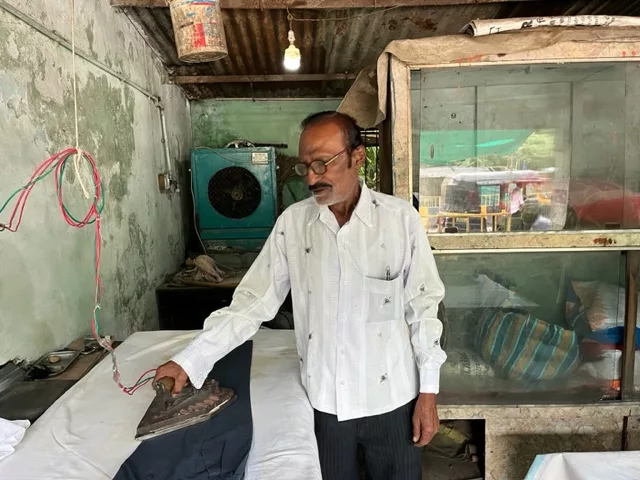
    Johny, a somewhat challenging Dhobi, has been an integral part of Sevagram’s fabric for nearly five decades. Since the medical school was established in Sevagram in 1969, Johny has been serving the doctors, nurses, and medical students with his laundry skills.

    As the morning dawned, men and women in Sevagram would awaken with thoughts of the milkman, bread supplier, newspaper delivery person, housemaid, and, of course, Johny the Dhobi. Johny held a vital and irreplaceable position in their daily routines. He held a crucial role in their daily lives, earning a special place on that list.

    Johny’s true identity went beyond his professional role. Originally named Dnyaneshwar, he hailed from the nearby village of Nandura, just two kilometers away from Sevagram. The story of how Dnyaneshwar became Johny is quite intriguing, and I will share it shortly. He embodied the strong work ethic instilled in him by his father, Moreshwar. Even before MGIMS was established in Sevagram, Moreshwar Khamankar had already built a reputation as a skilled washerman. He worked in the Charakha Sangh in Sevagram in the pre-independance days. It was this family legacy that Johny reluctantly embraced, carrying it forward with him.

    “My father, who lived to the ripe age of 95, had the privilege of witnessing Mahatma Gandhi’s serene walks in Sevagram. He observed the likes of Dr. Sushila Nayar, Prabhakarji, Dr. Ramchandra Wardekar, Dr Anant Ranade, and Manimala Choudhary wading through knee-deep mud during the rainy season as they visited villages surrounding Sevagram in Renghi, a cart pulled by bullocks,” Johny fondly recollects.

    As a young boy, Johny enrolled in the local primary school in his village. After completing fourth grade, he attended New English High School in Wardha. This meant doing all chores related to washing the clothes in the morning and then walking eight kilometers daily on non-existent roads.

    During his tenth grade year, fate threw an unexpected challenge at Johny. On a remote road between Wardha and Sevagram, his bicycle suffered a punctured tire, leaving him unable to reach the school in time for a crucial theory examination. Sadly, this incident became a turning point in Johny’s educational path, and he had to confront the harsh reality of being a school dropout.

    Undeterred, Johny started seeking employment opportunities, aiming to support himself and contribute to his family.


    Seth Uttamchand and New Fashion Electrical Dry Cleaners

    In 1970, fate once again intervened in Johny’s life. Prabhakarji, a dedicated Gandhian from Sevagram Ashram, noticed Johny’s potential and brought him to Hyderabad. For six months, Johny served as Prabhakarji’s trusted assistant, immersing himself in the city’s vibrant atmosphere and absorbing its energy.

    While in Hyderabad, a few others from Sevagram, namely Ramana, Sita, and Chinamma (Mausi), also began their own transformative journeys. They later became qualified nurses at Kasturba Hospital. Dr. Satyanarayan Prasad, a local practitioner, generously provided accommodations for them.
    Johny’s journey took an unexpected turn. By chance, he came across Seth Uttamchand, a dear friend of Prabhakarji, who owned a renowned establishment called New Fashion Electrical Dry Cleaners. This establishment served a wide range of customers, collecting clothes from 26 different locations in Hyderabad. They skillfully washed, dried, and ironed garments with exceptional expertise. This encounter left a profound impact on Johny, inspiring him deeply.

    Years later, when Johny opened his own laundry shop in Sevagram, he paid homage to Seth Uttamchand by naming his shop after his establishment. This reflected the values of excellence and entrepreneurship that had influenced him.

    As Johny’s time in Hyderabad came to an end, Prabhakarji saw potential for his future success and proposed securing a promising job and arranging a suitable marriage for him. However, Johny’s father, guided by traditional values and reluctant to let his son move too far from Sevagram, declined the offer. Consequently, Johny’s dreams of relocating to Hyderabad were dashed, and he established his life and connections in and around Sevagram.


    Johny’s Journey Takes Unexpected Turns

    Johny faced setbacks along the way, but he remained resilient. He briefly worked in the irrigation department and later tried his hand at the Wardha Filaria office. However, due to his father’s traditional beliefs and the importance of maintaining family ties to Sevagram, Johny left both jobs within two weeks of joining.

    Although stable employment tempted him, Johny’s sense of familial duty held a stronger sway, influencing his decisions. These short-lived experiences only fueled his determination. They ignited a sense of purpose within him, driving his desire to forge his own path and establish a livelihood through laundry work. Little did he know, these twists and turns would ultimately lead him back to Sevagram, where his dedication and hard work would shape an extraordinary future.


    Soaring Popularity: Flocking Customers and Roaming Johny

    During his school days, the Khamnakar family worked together tirelessly, washing, drying, and pressing clothes for the hospital and households. Their combined efforts ensured that cleanliness became an art that touched the lives of Sevagram’s students, doctors, and nurses.

    Johny took a leap forward in 1972. He acquired a small shop situated near the Mahadev Bhavan in Sevagram, on Wardha-Sevagram road, marking the inception of his own laundry business. During that period, Johny’s shop stood as the first of its kind in the vicinity, with Rajesh Taylor’s shop located nearby.
    As time went on, Johny’s popularity soared. People from Sevagram flocked to his shop, and Johny himself would roam around the town, visiting homes and workplaces, leaving behind a trail of fresh laundry and satisfied customers.

    The years turned into decades, and Johny continued to serve Sevagram. While not always known for his politeness and courtesy, Johny occasionally found himself engaged in arguments with his customers, usually stemming from misunderstandings. Remarkably, people did not mind these occasional outbursts, despite Johny’s brash tongue. Instead, they acknowledged and appreciated Johny’s skill in providing top-notch ironing services.

    There were moments when he appeared visibly irritated, and his tone occasionally conveyed anger, leading to arguments. However, by then the medical students and staff got used to his caustic tongue.


    Johny Mera Naam
    There is an interesting story behind the transformation of Dnyaneshwar into Johny. In 1970, a widely celebrated crime thriller film Johny Mera Naam, featuring Dev Anand, captivated the entire nation. The movie’s immense popularity caused the name “Johny” to strike a chord with people throughout India.

    Whenever medical students visited Dnyaneshwar’s shop, they would rarely find him there. He would often be elsewhere, busy delivering freshly laundered clothes to the hostels. One day, tired of his lengthy name, his mischievous neighbour Rajesh tailor decided to call him Johny. Rajesh would playfully inform the students that Johny was not present at the shop. Unintentionally, this playful response created a connection between the fictional character “Johny” from the film and the washerman they were seeking.
    The name deeply resonated with Johny himself, and from that moment onwards, it became an integral part of his identity.

    Thus, a combination of popular culture, playful interactions, and linguistic adaptations converged to give rise to the beloved nickname “Johny” for the washerman of Sevagram.


    A Changing Landscape: Transformation in the Vicinity

    Over time, the vicinity surrounding Johny’s shop underwent a remarkable transformation. New businesses emerged, shaping a small market that catered to the diverse needs of medical students, faculty, health workers, and hospital visitors. Shops such as Gulab Singh’s Sevagram General Store, Jagdish Gutta’s Madras Hotel, Ramu Godse’s Renuka Medical Store, Gulabrao Patil’s Goras, Chintaman’s barber shop and Chavan’s Cycle Shop flourished alongside Johny’s shop.

    This vibrant hub now offered more than just laundry services. People could also purchase groceries, indulge in delicious masala dosa, have garments tailored, and even get their bicycles repaired. What was once a modest shop had become a bustling center, providing a wide array of amenities to the community.


    The Dhobi Ghat: The Central Hub of Washing Activities

    The journey was not devoid of challenges, especially considering that Johny’s father was the sole washerman in Sevagram during those early days. The bustling Dhobi Ghat located near Kasturba Vidya Manidr served as the central hub, where the Khamnakar family would gather the garments for washing. Johny’s father, with the support of his mother, grandmother, wife, and a few helping hands, undertook the arduous task of cleaning the clothes. Bhimabai, his aunt, specialised in laundering cloths from labour rooms and gynaecology wards. The laborious process required their collective efforts and dedication to ensure that each garment was meticulously washed and cared for.

    Large drums, filled with water, caustic soda, and soap cakes, served as vessels of transformation as the garments were immersed in their soapy depths. The power of steam worked its magic, ensuring a thorough cleansing of the clothes, which would remain wet until the following day when the process of manual washing began. During that era, washing machines had not yet made their way into the scene, requiring a reliance on the human touch, hard brushes, and meticulous attention to detail.


    From Coal to Electric: Embracing Modernization in Ironing

    In the 1970s, when Sevagram welcomed aspiring doctors, Johny was the sole washerman dedicated to meeting their laundry needs. Drs. Ingley, Khapre, Harinath, Taori, Kane, Deshkar, Indurkar, Gupta, Narang, Chaturvedi, Trivedi, Jain, Hariharan, Shetty, Belsare and many others relied on him to care for their clothing, establishing a strong bond of trust and dependability.

    As Johny reminisces, he recalls the countless medical students who entrusted him with their garments. Dilip Sarnaik, Shyam Babhulkar, the three Sardars (Amarjeet Singh, Avtar Singh, and Hardial Singh), Rajiv Chaudhary, Chandan, Hari Gulhane, Anil Mahalle and Thosar stand out as the trailblazers who began their medical education during those early years. Their names hold a special place in Johny’s mind, symbolizing their significant role in shaping the early days of MGIMS.

    In Johny’s fond recollections of those early days, he remembers the substantial workload they faced. They would diligently handle a daily load of 100 garments, earning a modest income of 25 to 50 paise per cloth. A portion of this amount was rightfully shared with the workers who assisted in the laundry process. As time passed and the economic landscape evolved, there was a shift in remuneration. Presently, the rates range from Rs 12 to 15 per shirt or trouser.

    In the late 1970s, Johny made the switch from old coal-filled irons to modern electric irons. This transition not only brought convenience and efficiency to his ironing process but also relieved him of the drudgery associated with the older method.

    Johny takes great pride in maintaining an impeccable track record throughout his career. Remarkably, not a single garment ever went missing or misplaced under his care. He devised a meticulous system of labelling, organizing, and identifying clothes, utilizing English alphabets to mark each piece with precision. These markings, bearing the initials of their respective owners, stood the test of time. Recently, a former female medical student from Pune, who had long left Sevagram, expressed surprise upon discovering that the mark made by Johny’s pencil on her Khadi apron remained unblemished, unaffected by the passage of time.


    With the advent of washing machines in the early 2000s, the laundry services landscape underwent a transformation. Johny witnessed a gradual decline in business as the demand for his meticulous handiwork diminished. Additionally, in earlier years, competition from washermen in Wardha and Sevagram, such as Lonkar and Baliram Dalvi, challenged his monopoly. However, undeterred by these changes, Johny continues to be a constant presence, operating his shop from the same location where it all began in the 1970s.

    A Legacy in Tin Shade: Johny’s Shop and Its Timeless Journey

    Johny’s journey embodies not just a lifelong dedication to his craft but also the evolution of Sevagram and its medical community. From manual labour to modern machinery, his legacy endures, leaving an unforgettable impression on those who sought his skillful ironing services.

    Today, Johny operates his shop in the very same 200-square-foot tin shade where his journey began five decades ago. The interior tells a story of time and wear, with old wooden tables, partly broken cupboards, and cracked glass, giving the shop an unkempt and shabby appearance. The peeling paint on the walls further adds to the worn-out ambiance. Amidst the chaos, an old desert cooler hums softly, providing a bit of respite from the heat.

    Perched precariously on a rickety old table, an iron bucket filled with water stands ready for use. Above, a dim tube light casts a gentle glow, illuminating torn calendars adorned with pictures of Hindu deities, adding a touch of spirituality to the surroundings. An aged assistant diligently irons shirts and trousers, while Johny takes on the role of overseer, engaging with customers and tending to logistical matters.

    The shop exudes an air of nostalgia, with clothes strewn throughout, waiting to be attended to.

    As Johny enters the twilight of his career, he remains steadfast, refusing to be dulled by the passage of time. Like an old coal iron that never loses its heat, he maintains his resilience, vigour, and boldness. Even at the age of 74, he dyes his hair, stands upright, walks briskly, speaks his mind without hesitation, and effortlessly navigates the streets of Sevagram on his cycle.

    Like well-tailored fabrics, Johny refuses to fade away, devoid of creases or wrinkles. His spirit remains crisp and steadfast, defying the passage of time.


  • 𝗧𝗵𝗲 𝗦𝗲𝗿𝗲𝗻𝗱𝗶𝗽𝗶𝘁𝗼𝘂𝘀 𝗗𝗮𝘆: 𝗦𝗻𝗮𝗸𝗲 𝗩𝗲𝗻𝗼𝗺, 𝗣𝗵𝗼𝗻𝗲 𝗖𝗮𝗹𝗹𝘀, 𝗮𝗻𝗱 𝗪𝗼𝗿𝗱 𝗣𝘂𝘇𝘇𝗹𝗲𝘀

    𝗧𝗵𝗲 𝗦𝗲𝗿𝗲𝗻𝗱𝗶𝗽𝗶𝘁𝗼𝘂𝘀 𝗗𝗮𝘆: 𝗦𝗻𝗮𝗸𝗲 𝗩𝗲𝗻𝗼𝗺, 𝗣𝗵𝗼𝗻𝗲 𝗖𝗮𝗹𝗹𝘀, 𝗮𝗻𝗱 𝗪𝗼𝗿𝗱 𝗣𝘂𝘇𝘇𝗹𝗲𝘀

    The events of the day held a fascinating tale.

    Last night, driven by curiosity, I explored the realm of snake venom. Studying its biochemistry and effects on the body after a snakebite, I marveled at how these venomous creatures target our nerves, muscles, blood vessels, platelets, and kidneys, even forming dangerous clots in vital organs. I sought to apply this knowledge to optimize the use of anti-snake venom and drugs at the bedside of snakebite victims.

    As my residents cared for a krait-bitten patient in the ICU, I delved into the unique paralysis caused by kraits and Cobras, focusing on muscles like the eyes, tongue, pharynx, larynx, and those involved in breathing. My goal was to ensure evidence-based approaches for optimal care.

    It was a strange coincidence, as if the universe was conspiring to guide me on my quest for knowledge. A phone call shattered the stillness of the afternoon. It was Dr. Subodh Mohan, a former student from the class of 1979 at MGIMS, who had completed his MD in Medicine thirty-five years ago. Calling from Bulandshahar, his urgency was palpable as he sought my guidance on managing a krait bite at his hospital. The patient had just arrived, and immediate action was required.

    I clarified to him that once paralysis sets in, the damage to the neuromuscular system has already occurred, and the primary objective of treatment shifts towards providing supportive care. Neither antivenom nor neostigmine are effective in reversing the paralysis. The best course of action is to provide support through a mechanical ventilator, which assists with breathing, until the patient’s nerves have a chance to regenerate.

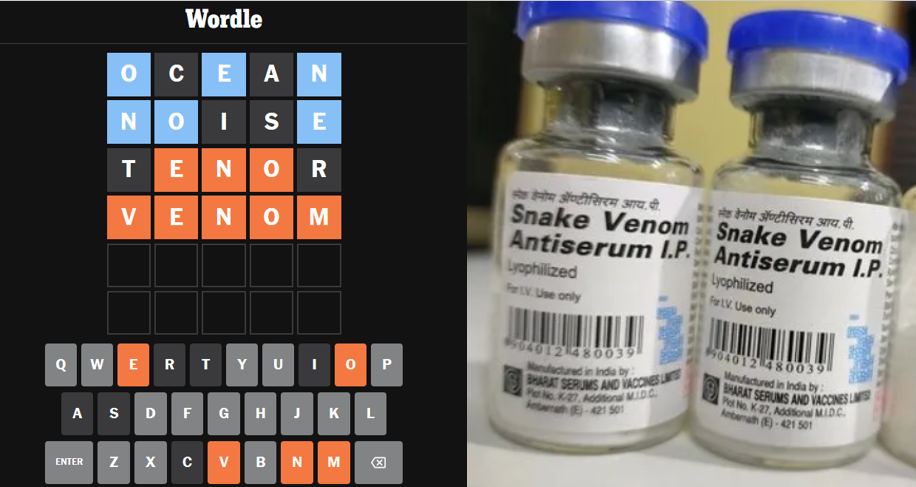
    But the wonders of the day didn’t end there. As the evening approached and my granddaughters returned home from school, a new adventure awaited me. We became completely engrossed in an intriguing word puzzle 𝗪𝗼𝗿𝗱𝗹𝗲, a delightful game where we had to guess a five-letter word using limited attempts. With each guess, the game provided feedback, guiding us on which letters were right and in the correct position, which ones were right but in the wrong place, or if we had completely missed a letter. We continued guessing, determined to uncover the hidden word.

    Our excitement knew no bounds as we successfully solved the puzzle in the fourth attempt. We correctly guessed the hidden word “VENOM” together, celebrating our victory.

    I stood there, bewildered, pondering the extraordinary alignment of events. Just the previous night, I had immersed myself in the realm of kraits and cobras, studying their venom and its effects. Then, out of the blue, a long-distance call came, seeking my expertise on snakebite management. And to top it all off, while engaging in a word puzzle later in the day, the word “venom” emerged as the final answer. It was truly astounding how these incredible coincidences unfolded all within a single day.

    Perhaps, it was a testament to the power of dreams and thoughts, as the popular Marathi adage says, “You dream what you think.” Indeed, life has a peculiar way of granting us what we seek, even in the most unexpected of circumstances.

  • Good Bye, Pendsey

    Good Bye, Pendsey

    Sharad Pendsey left us today. In the depths of sorrow, we bid farewell to a remarkable soul. But even as we mourn his loss, we find solace in the memories he has left behind, memories that time will never erase.

    Pendsey, two years my senior during my MD residency at GMC Nagpur, was always referred to by his last name, a tradition that underscored the respect and admiration we had for him.

    He looked every inch like a Bollywood hero, with his fair complexion, captivating eyes that sparkled with a twinkle, and a mischievous smile that seemed straight out of a silver screen.

    Today I vividly visualise Pendsey’s eyes. He possessed a remarkable ability to communicate with his eyes. He would use them to cleverly deliver puns, subtly admit a mistake, express deep empathy, or emphasize a point. His eyes were like windows to his soul, conveying a world of emotions and thoughts without uttering a single word. Whether it was a mischievous twinkle, a gentle gaze of understanding, or a piercing stare to make a point, his eyes held a language of their own.

    Pendsey possessed an aura of grace and elegance that set him apart, exuding charm and charisma in every stride. His words flowed with effortless eloquence, making others instantly at ease in his presence. Whether conversing in Marathi or English, he possessed a rare talent for breaking the ice and forging connections.

    Today, three vivid incidents resonate within me.

    I hold dear three cherished cards, nestled close to my heart, each symbolizing a momentous occasion in my life: my wedding in 1984, my son’s wedding in 2011, and my daughter’s wedding in 2014. On each of these significant milestones, it was Pendsey who personally extended his heartfelt wishes and sent me these beautiful cards, a tangible testament to his thoughtfulness and presence in the moments that shaped my life’s journey.

    Secondly, way back in 1980, when nobody considered diabetes as a viable career path, Pendsey defied convention and embarked on a less-travelled road. In 1980, he went to what was then known as Yugoslavia to specialize in diabetes management. At that time, there were only two oral sugar-lowering pills and two types of insulin available for treatment. Many of us laughed and ridiculed his choice to shape his career around diabetes.

    We, foolishly blinded by our limited perspectives, once ridiculed him, casting doubt on his ventures where others hesitated to explore. Yet, with a mischievous laugh, Pendsey proved us all wrong. He swiftly gained recognition as the first dialectologist in central India, earning the respect of physicians and patients alike. His popularity soared. He authored books on diabetes and, as early as the mid-eighties, boldly predicted that India would emerge as the diabetic capital of the world—a prophecy that unfortunately turned out to be true.

    Over time, Pendsey developed a profound understanding of the complications of diabetes. He came to realize that there was more to sugar than meets the eye. He recognized the devastating effects it had on the nerves and the merciless damage it caused to the kidneys. Above all, he empathized with the profound loss and anguish one feels when diabetes claims a limb.

    Moved by the plight of people with diabetes who frequently faced the devastating consequence of foot amputations, Pendsey dedicated himself to addressing this issue. He became deeply involved in educating diabetics on how to care for this complication and trained physicians in the early detection, management, and prevention of diabetic foot. He also wrote a book solely dedicated to this topic.

    Pendsey took the lead in launching the Step-by-Step project, which aimed to improve diabetes foot care in the developing world. This initiative gained popularity as it attracted participants from neighboring countries and Tanzania, making a notable impact in the field.

    And then there was his Dream Trust. Pendsey refused to be confined within the four walls of his chamber and hospital, spreading his wings into the homes and neighbourhoods of his patients. Moved by the plight of young boys and girls with type 1 diabetes—a relentless disease that hits them mercilessly—he delved into their ambitions, challenges, difficulties, and aspirations. He helped them grow, assuring that he and his team would always be there for them, through thick and thin. With his efforts, he transformed their diabetic journey from a constant nightmare into a Midsummer Night’s Dream.

    Pendsey’s commitment to these patients knew no bounds. He worked tirelessly to ensure they had access to insulin, providing it to them free of cost. He diligently monitored their glucose control, ensuring they achieved good glycaemic goals. He went above and beyond by gifting them bicycles, empowering them to move through life with greater independence.

    But his support didn’t end there. Pendsey recognized the value of education and its role in shaping a brighter future. Thus, he offered funding to help these adolescents complete their education, removing the financial barriers that often hindered their progress. He nurtured their entrepreneurial spirit, assisting them in starting their own ventures. And he facilitated their weddings, helping them gain meaningful employment and means to earn a livelihood.

    Pendsey’s Dream Trust became a beacon of hope and support for those battling type 1 diabetes. His impact extended far beyond medical practice, creating ripples of change in the lives of those he touched.

    It was only a month ago that he wrote on my Facebook post, appreciating my stories of the unknown heroes from Sevagram. “I have taken a copy of your write-ups of your stories. I love reading them. Bye,” he wrote. Little did I know then that he was fighting a losing battle, and I was never to see him again.

    Goodbye, Pendsey. I am confident that DREAM will create a haven within heaven itself. And knowing you as I do, I have no doubt that you will not rest in peace there. Instead, you will strive tirelessly to make heaven an even more beautiful and meaningful place to exist.

    Pendsey had spent some time in Germany, and years later, after I had also learned the German language, our telephone conversations always began with a spirited “Guten Morgen” (Good morning) and concluded with a jovial “Auf Wiedersehen” (Goodbye). We would share hearty laughter as we exchanged these German greetings.

    Auf Wiedersehen, Pendsey.