Category: Heritage & History

Documenting the legacy of MGIMS, Sevagram heritage, and medical history.

  • The Indian Coffee House: Sevagram Story

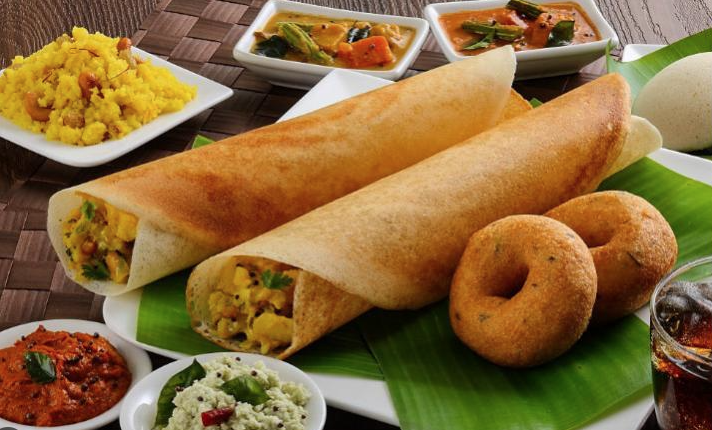
    Have you ever heard of Domelette? It’s not a typo—Microsoft Word swiftly corrects typos as soon it spots them — but a unique dish that combines an omelette with a dosa.
    And in the halcyon days of the 70s and the 80s, it’s just one of the many mouthwatering delights you could find at the India Coffee House in Sevagram ICH for short.

    “Throwback to the good old days of the seventies when I was a medical student at MGIMS. After watching a late movie in Wardha, we’d head over to ICH for a budget-friendly and gratifying meal. Our go-to was the Domelette, an omelette served on a dosa. As soon as that waiter set it down on our table, we’d gobble it up in no time. The memory of that delectable omelette perched on a dosa, which left us feeling content without burning a hole in our pockets, is still fresh in my mind. Ah, the joys of being young, broke, and hungry!” Memories flooded the alumnus’s mind as he retraced the paths of his past.

    “Agree totally,” said another alumnus who recently came to his alma mater for the batch reunion. ” Each ICH dish was a delight for the taste buds, and we savoured every morsel.”

    History

    Coffee lovers and history buffs, did you know that Jawaharlal Nehru, India’s first Prime Minister, played a key role in shaping the ICH? Back in the 1950s, the Coffee Board planned to shut down several outlets. Workers protested because they were about to lose their jobs. Nehru suggested that the workers form a cooperative society to manage the coffee houses. The first Indian Coffee Workers Cooperative Society (ICWCS) was founded in Bangalore on August 19, 1957. Fast forward to today, the Indian Coffee House chain is run by various regional cooperatives and remains a popular spot for coffee and conversations among intellectuals across India.

    But Nehru wasn’t the only hero in this story! AK Gopalan, a prominent communist leader, also fought for workers’ rights and was a key player in the cooperative society’s formation. He even became its first president! Who knew coffee could be so revolutionary?

    The Delhi ICH at Connaught Place used to be regularly visited by Ram Manohar Lohia, Jayaprakash Narayan, Chandrashekhar, I. K. Gujral and several others. And VK Gupta reminded me recently that the Indian Coffee House in Allahabad used to attract authors, poets, and intellectuals such as Harivanshrai Bacchan, Firaq Gorakhpuri, Dharamvir Bharati, and Suryakant Tripathi ‘Nirala.

    Many of the ICH workers were later transferred to Sevagram when the ICH there was established, ensuring the continuation of their exceptional care.

    ICH arrives in Sevagram

    The ICH, set up in 1975 at Sevagram, has had a rich history, changing hands four times over the course of 48 years. When the ICH was established in Sevagram, several workers from Nagpur’s ICH were relocated to Sevagram. Nestled between the boys’ and girls’ hostels, the ICH emerged as a hub of activity and excitement, standing tall and proud.

    The ICH was manned by a loyal group of Kerala staff members, such as George Kutti, KK Shankaran, and M Vijay Kumar, who worked with unwavering commitment for many years. The Coffee House chain at Sevagram has changed several hands for over 48 years since its founding in 1975. Despite changes in leadership and ownership, the steadfast commitment of these remarkable Malayali staff members remained undeterred.

    For thirteen years, the Sevagram ICH was managed by the cooperative society, but it eventually became financially unsustainable to keep the coffee house running. This has been a recurring problem: The ICH devotees in Nagpur were crestfallen upon discovering that the Indian Coffee House, which had been operating for fifty years in Sadar and Dharmapeth, had to shut down due to economic infeasibility.

    In 1988, Mr George Kutti took over and ran the place for a decade until he quit in 1998. After that, the canteen space was taken over by the Mahila Mandal, and the counter was staffed by women, creating a more respectful environment. The rowdy behaviour was no longer allowed, and the senior students, known as “pillars,” were able to concentrate and pass their exams. However, this change also meant that the much-loved Domelette was no longer available, and the menu was limited to items like poha, bread pakoda, and aloo bonda. The once-vibrant ICH canteen had lost some of its sparkle.

    The canteen was under the management of the Mahila Mandal for a span of four years. However, they chose not to continue, and the reins were handed back to the ICH cooperative society for reasons best known to them.

    the ICH coffee house, once bustling with students and staff, suddenly faced a grim reality. Despite the Co-Operative Society’s best efforts to revive it in 2002, the rates proved unfeasible, and it had to close shop in 2007. But, as they say, every ending is a new beginning, and the hunt for a passionate coffee house owner continued.

    In 2007, KK Sundaran, M Vijay Kumar, and Suresh Kumar took over the ICH, following in the footsteps of the likes of George Kutti, and KK Shankaran, who managed the ICH with pride and passion. Though George Kutty had to leave due to a stroke, M Vijay Kumar, and Suresh Kumar is still holding the fort and keeping the legacy alive.

    In 1988, Mr George Kutti took up the challenge and managed the ICH for a decade. The Mahila Mandal later took over the canteen space and staffed it with women, creating a more respectful and inclusive environment. However, the menu became limited, and the much-loved omelette was no longer served.

    In 2002, the ICH Co-Operative Society made a comeback, but it eventually had to say goodbye due to unviable rates. In 2007, a dedicated group of people including KK Sundaran, M Vijay Kumar, and Suresh Kumar took over and have been managing the ICH ever since. Despite changes in ownership, the ICH remains a beloved destination for coffee lovers and students alike.

    So next time you’re in Sevagram, make sure to stop by the Indian Coffee House and experience its rich history for yourself!

    —–

    For the students of MGIMS, the Coffee House became more than just a place to eat; it became a hub of activity and excitement. Standing proudly between the boys’ and girls’ hostels, the ICH has become a beloved institution in Sevagram, with its rich history and dedicated staff members who continue to make it a special place. So, grab a cup of coffee and relish the unique atmosphere of this iconic coffee house!


    The attire of the ICH staff was a notable feature that set it apart from other restaurants. The waiters’ dress code followed a standardized pattern across all 400 odd branches in the country, with each level of the hierarchy wearing distinctive clothing.

    ICH Attire

    When starting out as cleaners, the waiters’ uniforms consisted of a white shirt, white trousers, and a Gandhi cap. After being promoted to bearers, they donned a green belt and turban with a green band. And as they rose to the position of the head assistant bearer, a green patta was pinned to their chest, often with a golden-bordered green band on the turban.

    Next up was the head bearer, distinguished by their red patta (or sash) and turban with a red band and golden border. At the top of the hierarchy were the supervisors, who wore crisp white cotton shirts and trousers.

    Even the kitchen staff had a unique uniform, with khaki pants and caps completing their utilitarian attire. This fascinating dress code hierarchy added to the charm of the Indian Coffee House, making it a memorable and distinctive experience for all who visited. “We wondered if we were entering into a five-star hotel in Sevagram,” recalls Dr Hari Oam, MGIMS class of 1974.

    The open area outside the coffee house was where the real action was. Old-style iron folding tables and chairs were set up, surrounded by bushes. This was the perfect spot for students and residents alike to spend hours lost in conversation or lost in love. ICH became the heart and soul of MGIMS, with almost everyone addressing them as Annas.

    Memories

    Dr Tarvinder Singh Uberoi (1976 batch) recalls, “As a first-year junior after you willfully endured ragging, you were taught to ask for the most expensive item on the menu, scrambled eggs when a senior generously offered to pay the bill.”

    Dr VK Gupta, who graduated in 1980, told a story about the arrival of new students. ” It was a chaotic time, as the older students tried to get the attention of the first-year female students. However, these young women were smart and would only accept invitations if they could bring along a few friends, much to the chagrin of the hopeful Romeos, whose wallets and courage were put to the test. The canteen was not only a place to eat but also a popular hangout spot. Seniors would often pay for the meals of the diverse group of diners, making the canteen even more charming.”

    There was the ever-smiling Balkrishna or BK, and then there were others who were ever-ready to lend a helping hand. Together, they wove a distinctive ambience in the cafe. According to an alumnus, the staff at ICH were so welcoming and kind that they would often end up staying past the closing time of 10 pm because they didn’t want to leave yet.

    Even after all these years, the memories of ICH in Sevagram still flood back. For some, it’s like the gentle flow of a stream, beginning as a small trickle and eventually swelling into a flood of recollections. For others, it’s a forbidden haunt, a peculiar rule that persisted until the yearly Ganesh Cultural Fest.

    Dr Rajnish Joshi (MGIMS alumnus, class of 1992) recalls: In 1992, the ICH was a place that newcomers avoided. As freshers, we feared to approach it, especially when seniors were present, which was always the case. Passing by without being called for ragging was a stroke of good luck.

    The canteen was run by Mr George Kutty and his son, though I must admit, I cannot recall the latter’s name. Their signature dish was the omelette, which couldn’t be found anywhere else. Their omelette was the stuff of legends, unmatched by any other. Sadly, by 1995-96, Kutty faced financial troubles due to giving out excessive credit to students who did not pay up.

    Between 1998 and 2002, the Mahila Mandal took over the canteen space, and the counter was now staffed by women. The rowdy behaviour that once prevailed was no longer allowed, leading to an environment that was more respectful and all-encompassing. During this time, the senior students, dubbed “pillars,” managed to pass their exams. As the loud and unruly behaviour decreased, there was less hooting, and the canteen became more inclusive for both men and women.

    Unfortunately, the much-loved omelette was no longer being served, and the canteen menu only featured the same items as the Mahila Mandal canteen in the hospital, such as poha, bread pakoda, and aloo bonda. ICH seemed to have run out of juice.

    With other options available in Wardha and Sevagram, the ICH had lost its charm as a “happening hub” by 2001.

    Surely, ICH cannot compete with Cafe Coffee Day, Starbucks and other cafes. In an era of Fast food, the good old ICH simply cannot hold the fort. While the ICH may not be able to match the glitz and glamour of modern cafes like McDonald’s, Barista, Cafe Coffee Day and Starbucks, it still holds a special place in the hearts of the medical students at MGIMS. The memories of their time spent there is a testament to the ICH’s enduring legacy as a simple yet beloved food joint.

  • A Taste of Nostalgia: Madras Hotel in Sevagram

    A Taste of Nostalgia: Madras Hotel in Sevagram

    Babulal Ganvir and Jagdish Chandra Bose. Since the early seventies, they held sway in Sevagram for a span of thirty years. Babulalji’s Aaloo Bonda was an irresistible treat, and Jagdish’s Masala Dosa was no less mouth-watering. Babulalji ran his canteen on credit, while Jagdish mostly relied on cash. Babulalji spoke Marathi with a soft-spoken tone, and Jagdish’s Hindi was tonged with a distinct South Indian accent. Babulalji was known for his reserved manner, while Jagdish was somewhat boisterous in demeanour.

    After a successful run of over thirty years, Babulalji closed his shop in 1995, and Jagdish followed suit by shuttering his hotel in 2017. Though their canteens have faded into memory, the delicious aroma of their food still lingers in the minds of Sevagram’s residents.

    But where did their paths cross? Both Babulal and Jagdish started their canteens when Sevagram Medical College was just beginning. These canteens played a vital role in shaping the lives of medical students by providing them with a much-needed respite from the demanding and arduous medical education. Without these canteens, medical students would have had a tough time enduring the Sevagram days.

    The duo of hotel owners was a perfect match. They were not adversaries but comrades in providing snacks, beverages and meals to their customers. They never thought that they were rivals—Jagdish even went the extra mile to teach Babulalji how to make filter coffee—and by working together, they eased the stress medical students had to endure. And so, in the humble hamlet of Sevagram, the south Indian and north Indian hotels worked in unison—their collaboration became the epitome of unity in diversity. They came from different backgrounds and did their businesses independently despite their differences.

    During a phone call last weekend, I asked Jagdish if he could take me a trip down memory lane and share some stories from his Sevagram days. The call lasted ninety minutes. I jotted down notes in my notebook, pausing every so often to ask for more details, clarifying the timeline or specific events that happened. As he spoke animatedly, I could sense the range of emotions he felt—happiness, joy, and a sense of fulfilment. It was a pleasure to catch up with him. I realised that time had not changed Jagdish. Just like his hot Masala dosa, he remained crispy on the outside and soft on the inside.

    The Gutta clan: tracing their roots

    Jagdish, also known by various names such as Jagdish Gutta, Gutta Jagdish and Jagdish Chandra Bose, founded The Madras Hotel in Sevagram back in 1973. The hotel remained a fixture in the area for over 40 years until it finally permanently closed its doors in 2017.

    Originally from Tenali, a town in the Guntur district of Andhra Pradesh, Jagdish was born to Mr Subrahmanyam and Jawahari Bai ten days after India gained independence. When he was just 24 years old, he started experimenting with a dish that would eventually become a crowd favourite at The Madras Hotel—the Masala Dosa, a South Indian crepe filled with spicy potatoes and served with chutney and sambar.

    L to R – Jagadish Chandra Bose, Jyotsna, Nirmala, Usha, Uday Kumar and Kranti Babu. Sitting: Subrahmanyam and Jawaharibai.

    In 1942, Gandhiji visited Tenali and spoke about the importance of educating people in their mother tongue to promote social and economic equality. This message resonated with the people of Tenali, who realised that providing education in the local language could help bridge the gap between the educated and uneducated masses.

    Mr Subrahmanyam was one of the people in Guntur who blended Gandhian and leftist ideals. The lanky Subrahmanyam—he measured six feet five inches—came to Sevagram in the mid-1940s to work at the Gandhi Ashram. Despite being imprisoned by the British during the freedom struggle and receiving only an eighth-grade education, he was keen to spend his time in Sevagram. He was entrusted with overseeing the Ashram’s agricultural section. After Gandhiji’s death, he moved to Tamilnadu, where he lived for almost two decades.

    Mr Subrahmanyam, Jawahari Bai, and grandchildren- Kamal, Amar and Ajay

    How did it all begin?

    In 1969, Jagdish returned to Sevagram with his mother and worked alongside esteemed individuals such as Anantramji, Prabhakarji, Shankaranji, Godseji, Pandeji, and Sathiyanathanji at the revered Gandhi Ashram. It was during this time that fate intervened, and Annasaheb Sahasrabuddhe, a prominent figure in Sevagram, urged Jagdish’s family to establish a small canteen at Maganwadi in Wardha.

    Two years later, Annasaheb invited Jagdish to move to Sevagram and set up a canteen near the old hospital. The tranquil town had scarcely any stores, and Annasaheb believed that Jagdish’s canteen would not only provide him with an income but also serve a social cause. Overjoyed with gratitude, Jagdish readily accepted the offer, though there was a condition attached: the canteen could not sell tobacco or wine, and smoking or consuming alcohol was strictly prohibited on the premises.

    Annasaheb was greatly respected by the Gutta family, and they even volunteered their labour to build a dam near the Dean’s office in Sevagram that was named after him. He also played a pivotal role in the development of the shops that graced Sevagram Square

    Despite his lack of experience and knowledge of Marathi and Hindi, Jagdish was determined to make the hotel a success. He readily accepted the terms and conditions and established The Madras Hotel in 1973, intentionally naming it to indicate that the hotel would be serving South Indian snacks. In those days, anything south of the Vindhyas was commonly referred to as Madras.

    Jagdish dropped out of school and only spoke Telugu and Tamil until he moved to Sevagram. With little knowledge of Marathi and Hindi, he began learning Hindi by listening to Kishore Kumar’s songs and gradually picking up new words. Over time, he became fluent in Hindi, much like famous South Indian actors Kamal Haasan and Rajnikant.

    Jagdish’s brothers, Uday Kumar and Kranti, briefly worked at the family business while studying at the local science college. A few years later, Uday Kumar moved to Hyderabad, while Kranti graduated from JB Science College and obtained an MSc from the Institute of Science, Nagpur. He then served in the Nagpur branch of the Reserve Bank of India for three years before moving permanently to Hyderabad. Interestingly, Jwala Gutta, Kranti’s daughter, was born in Sevagram hospital in 1983 and went on to become a left-handed Indian badminton player of mixed Indian and Chinese descent. She has won the National Badminton Championships thirteen times. However, I plan to write a separate blog post on this topic.

    Jagdish rented the canteen space from Sarva Seva Sangh for a monthly fee of Rs. thirty. The canteen’s unadorned features—the unplastered brick walls, red clay tile roof, mud flooring, and pebbled pathway—gave it a dull and dreary interior. With just a few wooden tables and benches, and later, plastic chairs for customers to sit and eat, the decor was sparse. Dr Ajay Mittal, an MGIMS alumnus from the class of 1987, left MGIMS twenty-six years ago, but he still remembers the ambience of the Madras Hotel vividly. The canteen was sometimes poorly maintained and untidy, with chipped and cracked plates and glasses. Nonetheless, the hotel attracted a constant flow of customers who kept returning for more.

    The Madras Hotel did not boast modern amenities like air conditioning, Wi-Fi, or soft music, nor did it offer exotic cuisine or well-trained waiters. During the scorching Sevagram summers, when the temperature rose above a hundred and fifteen in the shade, the noisy desert coolers in the hotel struggled to beat the summer heat. But what it lacked in luxury, it made up for its warm hospitality and a personal touch, typical of a family-run establishment.

    Jagdish and his family were content with the way things were. Having grown up in a small town in Andhra Pradesh, they did not see the need for such luxurious amenities. The Madras Hotel was a simple establishment that served its purpose and captured the hearts of the local community.

    Behind every great chef, there’s a mom!

    In the tranquil Sevagram, nestled in a corner of the Madras Hotel, resided the heart and soul of the establishment: Jawahari Bai. She was not only a master of the kitchen but also the matriarch of the family-run hotel. Her culinary creations were a treat for anyone lucky enough to savour them, and her dosas were the talk of the town. She could effortlessly whip up a mouth-watering dosa in no time.

    Dr Power Rahuri, an MGIMS alumnus from the class of 1979 and now a radiologist in Hyderabad, fondly recalls, “Jawahari Bai was an early riser, arriving at the hotel as early as 7 am to begin her work in the kitchen. She would oversee the workers, ensuring that the dosa batter was of just the right consistency, the filling was perfectly prepared, and the Tawa temperature was optimal. “If the dosa batter is too thick, the dosa will turn out hard and difficult to spread. If it’s too thin, it will stick to the pan and break while being flipped,” she would explain to her workers. Her batter was always perfectly fermented, resulting in a mouth-watering dosa every time.”

    “Jagdish shared a deep emotional connection with his mother and relied on her to manage the hotel,” he added.

    “My mother was the backbone of the kitchen. She spent years perfecting her recipes, and her dosas were a work of art,” Jagdish recalled.

    During the summer of 1982, when I began working as a senior resident in Medicine at Sevagram medical college, I often joined the Medicine residents to try the Madras Masala Dosa. Although I am not a food connoisseur nor consider myself a food enthusiast, the memory of that experience has stayed with me. The dosa was perfectly cooked, crispy, and served with flavorful spiced masala, accompanied by coconut chutney and sambar, making for an unforgettable dining experience.

    As time passed, Jhansi, Jagdish’s spouse, assumed the duties of operating the family’s hotel and overseeing the kitchen with as much efficiency as Jawahari Bai did in the past. Meanwhile, Jagdish and his father handled the billing counter, while the small hotel was bustling with activity.

    Behind every great chef, there was a mother, and in the case of the Madras Hotel, it was the indomitable Jawahari Bai.

    South Indian Delights: A Journey through Madras Hotel’s Menu

    The Madras Hotel was renowned for its delectable savoury snacks, with the Masala Dosa being the crowd favourite. Made from a batter of rice and urad dal, this crispy crepe was filled with spicy potato masala. The hotel also served hot Idlis and Uthappam, both made from rice and urad dal batter, and typically accompanied by coconut chutney and sambar. The snacks were paired with filter coffee, brewed in a traditional South Indian filter and served in a tumbler.

    The Gutta family took immense pride in their food and aimed to showcase the rich culinary heritage of South India through their dishes. Despite attracting customers from far and wide and gaining popularity, the family remained grounded and continued to serve the same simple, authentic food with added love and pride. Their hotel became a symbol of the modest lifestyle and cultural richness of Telangana, and they were proud to represent Sevagram village.

    The hotel’s reputation for authentic South Indian cuisine quickly spread throughout the village and even beyond. Such was its popularity that when Prime Ministers Indira Gandhi and Rajiv Gandhi visited Sevagram, the district collector requested idli and dosas from Hotel Madras specifically for them. From breakfast items like idli, dosas, vadas, and sambar, to elaborate curries and rice dishes for lunch and dinner, Hotel Madras ensured that every guest was well-fed and satisfied.

    Madras Hotel: A Nostalgic Trip Down Memory Lane for MGIMS Alumni

    Dr VK Gupta, a pathologist based in Allahabad and an alumnus of MGIMS from the class of 1976, remembers the Madras Hotel as a rustic version of the Indian Coffee House (ICH) “It suited us to have a hasty Wada and coffee at the Madras hotel before we entered the hospital wards. The hotel’s affordable South Indian dishes suited medical students’ and residents’ busy schedules, even though the hygiene was below par. The owner, a lanky man, quickly calculated bills, and a child in rags named Roybon used the same cloth to clean the table and crockery until he was reprimanded by the senior Gutta. In 1970s, it was common for rural Indian hotels to have poorly made wooden furniture that often sagged, a gravel floor, and buzzing flies. This hotel was no exception. During the summer, a cane juice vendor would set up a shop outside the hotel.”

    “Despite these flaws,” says Dr VK Gupta, “we loved the hotel. The owner, a gentle and kind elderly man, would always listen to their complaints about things like stale sambar or burnt vada and do his best to address them. I can vividly recall the owner sitting on his owner’s chair while wearing a long white Khadi kurta and dhoti. During busy hours, the owner’s sons would also lend a hand.”

    Uday Kumar, Jagadish Chandra Bose and Kranthi Babu

    Dr Shreevidya Venkatraman, a Chennai-based physician and MGIMS alumnus from the class of 1989, fondly remembered the origins of the Gutta family and their hotel. According to her, Jagdish’s mother and wife Jhansi were both skilled cooks who prepared all their snacks from scratch using traditional recipes and ingredients. This gave their food a unique and unmatched flavour.

    Dr Venkatraman’s father, Mr CD Gokulachandran, moved to Sevagram in 1975, and her mother used to speak some Telugu, which helped her befriend senior Gutta. “I used to go to the hotel to pick up either ghee or the batter (they were the first to have the actual grinder). Mr Subrahmanyam, the senior Gutta, was strict and scary, always asking me to study hard,” she recalled.

    The hotel gained popularity among medical students and residents who frequented it for their daily breakfasts. Dr KK Aggarwal, a distinguished alumnus of MGIMS from the class of 1975, was among the regulars. Fondly recalling Dr Aggarwal’s visits, Jagdish noted that he always carried cardamom in his pockets and preferred full Elaichi Chai, not the cut Chai. During his stays, he often brought large medicine books and spent hours absorbed in them, seemingly unaware of the other patrons.

    “My Jijaji ran a Udupi restaurant in Crawford Market in Mumbai during the seventies. Jagdish would frequently visit him to learn the trade. Thus, even before my admission to MGIMS, I was familiar with Sevagram, making the connection between my family and the area all the more meaningful,” recalled Dr Paresh Desai, a paediatrician based in Mumbai and an alumnus of MGIMS from the class of 1980.

    “When I was serving as a house officer in Medicine in 1986, I would visit the Madras Hotel regularly to order and eat multiple servings of samosas and sugarcane juice after being awake all night in the medical ICU,” he added.

    “MGIMS students would visit the hotel during their breaks. The hotel was a popular choice among students due to its affordable rates and proximity to the college and the hospital. In the evenings, after a long day of studying, the medical students would often gather in the hotel’s dining area to indulge in the hotel’s South Indian snacks. The hotel’s crispy vadas and masala dosas were a favourite among the students, who would often order multiple servings,” says Dr Power Ravuri, an MGIMS alumnus, class of 1979 and a Hyderabad-based Radiologist.

    _____________________________________

    The Madras Hotel: A Tale of Dedication, Hard Work, and Simple Pleasures

    Mr Subrahmanyam and Jawahari bai had humble beginnings and had to work hard to establish their canteen. They started small, cooking and selling food from a small canteen. They would wake up early in the morning to prepare the food and then spend the rest of the day selling it to medical students.

    Their dedication and hard work paid off, and their canteen became a popular gathering place for medical students. Jagdish fondly recalled the festive atmosphere during Holi, with many medical students gathering under the Neem tree just outside the hotel to listen to Dr ML Sharma’s Holi jokes.

    The success of the Madras Hotel was a source of pride for the Gutta family, who had achieved their dream of running their own business. They created a space where people could come together, share a meal, and enjoy the simple pleasures of life. Despite their popularity, they never forgot their roots and continued to serve the same simple food with love and pride. The hotel became the face of Sevagram village and a symbol of the simple life and rich culture of Telangana.

    __________________________________

    Mahabharata, Mohinder Amarnath and the Madras Hotel
    During the 1980s and 1990s, the Ramayana and Mahabharata TV serials became cultural phenomena in India. The shows were broadcast on the state-owned TV channel Doordarshan and captured the hearts of millions of viewers across the country. However, for people living in Sevagram, the experience of watching these shows was very different. Due to poor television signals, the images that appeared on the screen were often blurry, and the sound was crackling. Despite this, the Madras Hotel acquired a black and white TV set in the early 80s, and it quickly became a popular spot for people to gather and watch their favourite shows.

    Jagdish, the owner of the hotel, knew what it took to get a clear signal. He and his staff would often adjust the antenna of the television set. This was a challenging task that required patience and skill, involving a lot of trial and error. Sometimes, someone would spend half an hour trying to get the antenna in the right position to get a clearer signal. Jagdish would also switch off all other electrical appliances in the hotel to avoid any interference with the TV signal. Despite these efforts, the picture would often turn into a blur, and the sound would get distorted.

    Mohinder Amarnath hooking Iram Khan for a six. 1982

    The challenges didn’t end there. Watching cricket matches on Doordarshan was also a difficult experience. The picture quality and sound were often poor, but people still did their best to watch the game. In the 1982 India vs. Pakistan Test series, MGIMS students in Sevagram sat in front of the TV, their excitement reaching its peak when they watched Mohinder Amarnath hit Imran Khan for a six. Although there were no slow-motion replays, people would use their imagination to visualise the game. For many, the joy of cricket lay in the thrill of the game, not the clarity of its transmission.

    When India won the World Cup in 1983, we at the Madras Hotel watched some of the matches and realised that even with the poor transmission, the excitement of the game was still felt. This moment exemplified the spirit of cricket and the joy that it brings to people, regardless of the challenges they may face. The Madras Hotel and the Sevagram of the seventies remind us that sometimes, it’s not the quality of the medium but the passion and excitement of the moment that truly matters.

    _________________________________________

    Jagdish, and his wife Jhansi

    Saying Goodbye to the Madras Hotel: A Bittersweet End to a Remarkable Journey

    Over the years, the Madras Hotel thrived, thanks to the hard work and dedication of Jagdish and his family. Despite being an unabashed canteen owner who rarely minced his words, not only did he and his family establish a thriving enterprise, but they also brought joy and happiness to medical students and residents.

    In 2017, at the age of seventy, Jagdish decided to bring down the curtains on his remarkable hotel. He found it challenging to adapt and cater to the evolving needs and tastes of his customers. As soon as the hotel shut down, several new shops sprouted up, taking the place of what was once a favourite destination for medical students and doctors. With his sons, Amar (Mumbai-based food researcher) and Ajay (Pune-based IT professional) urging him to retire from the business, Jagdish and his wife made the decision to relocate from Sevagram to Pune, where their son Ajay lives. His mother, who crossed the age of 100 two years ago, lives with his younger brother in Hyderabad. Unfortunately, in 2017, at the age of 102, Jagdish’s father passed away.

    Jagdish sounds happy, fulfilled, and content today. His tale teaches us that although his hotel wasn’t perfect, it possessed a certain charm that I find difficult to put into words. The hotel may have had a few rough edges, but it was brimming with cordiality, kindness, and some of the finest South Indian cuisine that medical students were fortunate to discover in a tiny village.

    It brings to mind the saying that imperfections can make something truly special.

    __________________________________________

  • Babulalji: The Quiet Hero of Sevagram Village

    Babulalji: The Quiet Hero of Sevagram Village

    Sevagram in the 1970s had a canteen that served as a bustling hub of activity for students, staff, and visitors. The canteen provided a space where people could grab a quick bite, catch up on the latest gossip, or simply enjoy Babulalji Ganvir’s generosity. If there’s one thing that people remember Babulalji for, it’s his extreme generosity with his money, time, and effort.

    I am talking about Babulalji Ganvir. Generations of medical students can vividly recall the culinary delights— the aaloo bonda and the Badshahi Chai— that his canteen offered. His bondas proved the adage that the best way to reach a man’s heart is through his stomach.

    Those who studied medicine at MGIMS during its early years developed a special relationship with Babulalji. And who could describe Babulalji better than the inimitable Kishore Shah (MGIMS class of 1974) who when requested to pen the life and times of Babulalji wrote:

    The Art of Giving: Insights from the Village Samaritan

    “Babulal Ganvir, the ever-smiling orange face. Yes. As if he was from royal blood, his face always had that peculiar radiant orange tinge.

    And the smile never left his face, even at times of adversity. His son was not faring well in school. He smiled and said, “जे व्हायचं ते होईल” and gave his patent wide smile.

    Decades later I was at a conference in Sevagram. Dr Dilip Gupta kindly took me to the village to meet the legend, Babulal himself. He had just been operated on for cataracts and had his goggles on. He peered carefully at me, shielding his eyes from the sun and said, “मोरु ची मावशी,” This was a nod to a support hit drama role that I had done during my student days. Such a sharp memory.

    Babulal ji was a father figure to us in our college days. He lent money to many of my colleagues when their money order was late. Those were the times when UPI money transfer was unheard of.

    His motto was then, and has always been:
    उधारी ही मैत्री ची चिकट पट्टी असते.

    During our simple times, money was not the only thing that we owed Babulalji.

    *****
    A day before, I interviewed Babulalji in the Medicine department of our hospital for a lengthy profile I planned to write about him. After finishing my rounds with the ICU patients, I had some time to spare. Despite his advancing age, Babulalji impressively kept his mind sharp throughout our two-hour-long conversation as he recounted his life story to me. The following is his story, in his own words.

    The First Tea Stall

    Back in 1962, a young 24-year-old Babulal started his tea stall in Sevagram. He spent his childhood in the Gandhi Ashram, where his favourite toy was the spinning wheel, and he enjoyed cleaning the toilets. To make a living, he later sold coarse white khadi in Nalwadi. He named his canteen Uphar Grih, a name that he continued to use for all of his subsequent canteens.

    At the time, patients admitted to the 15-bed Kasturba Hospital, along with their relatives, desperately searched for a cup of tea since there was no canteen in Sevagram. A Sindhi friend from Wardha suggested to Babulalji that he sell tea near the hospital. So he set up his tea stall on Ashram Road, near the old hospital.

    During those days, Ramdas Gandhi, Mahatma Gandhi’s third son who passed away in 1969 at the age of 72, would often visit Babulalji’s tea stall. Since the canteen lacked tables and chairs, Ramdasji would sit cross-legged on a mat and savour the shev, a savoury snack that Babulalji meticulously prepared. He enjoyed it so much that he would order another plate, pay twenty-five paise for each, and bring it with him to Delhi to relish at his leisure.

    Time to Move out

    Several years went past. Dr. Sushila Nayar, the director of MGIMS, spotted Babulalji selling tea on the roadside, even though there was no road there at the time. “I don’t like shop owners selling their products on the road,” she remarked. She asked Manimala Chowdhury to find a room where he could make and sell tea. The only available unused room in the hospital was the mortuary, where dead bodies awaited funerals. Without hesitation, Babulalji spent Rs 13.50 to set up his shop in the mortuary room.

    A few months later, a Sindhi patient from Wardha suggested that Babulalji enhance his canteen’s menu by adding some snacks. “You could attract more customers if you served hot pakodas,” he advised. Babulalji replaced his old stove with a Bhatti and began mixing gram flour with sliced onions and spices to create a thick batter that he would then deep-fry to perfection. He hired an assistant and taught him how to prepare Chai, Pakoda, Batata Vada, and Samosa.

    Third Location

    “A true warrior, like tea, shows his strength in hot water,” so goes a Chinese proverb. Now that Babulalji was in deep trouble, he had to learn life lessons from the perfect pots of tea he had been brewing for a long time. 

    In 1969, MGIMS was born. Babulalji was asked to vacate the room because the dean wanted a place for its staff. Babulalji suddenly found himself left high and dry. His business had picked up and the very thought of moving elsewhere unnerved him.

    For a while, Babulal was so distraught he couldn’t put the teapot on the stove. In time, though, destiny put him in touch with a person who helped him put the problem aside, and he began to brew tea again.

    Prabhakarji was the chief of Kasturba Hospital Sevagram in the fifties and was in charge of the Mahadev Bhavan Campus in 1969 when he heard about Babulalji’s situation. He was surprised to learn that Manimala Choudhary, the secretary of the KHS, had asked Babulalji to vacate the shop. Prabhakarji offered him an alternative location on Ashram Road, just 100 metres from the old hospital.

    A few years later, Dr Sushila Nayar asked all the roadside shops to move into the new Seth Mathuradas Mohota Dharmshala. She offered him a new location. Babulalji was not interested. She also hinted at a job in the medical college. He didn’t want that either. His petty tea shop kept him meaningfully engaged. He met people of every hue. He was earning enough and enjoying his work. He didn’t like this storm in his teacup.

    “You will have to go into the new premises that we are offering. We are planning to put all roadside shops into the new block. Once you all start your businesses there, you would earn enough to forget your roadside shops,” Dr. Sushila Nayar was straight and stern.

    He had no courage to protest. He moved to the new premises. Mr Girdhar bhai Doshi and Khemchand also started their grocery shops in Dharamshala, as did Chintaman, the barber.

    On June 18, 1976, Babulalji’s tea shop was relocated to two rooms on the ground floor of Seth Mathuradas Mohota Dharamshala, Sevagram Square. Despite the challenges he faced, Babulalji’s tea business continued to thrive, and he enjoyed his work, meeting people from all walks of life.

    Finally, Babulaji finds a nidus

    Babulalji’s canteen served basic food items like meals, snacks, and tea, featuring dishes such as puri bhaji, poha, samosa, aaloo bonda, and chai. As his business grew, he hired additional staff to help run the shop. Together, they expanded the menu and enhanced the quality of the snacks. In those days, a cup of tea cost only 25 paise. Babulalji ensured that he treated his employees fairly and respectfully, which fostered a strong and loyal team. The food joint now provided breakfast, lunch, dinner, and snacks. Through his dedication and hard work, Babulalji transformed his small shop into a flourishing and prosperous business, largely due to the support of his devoted team.

    The Man Who Changed our Lives: Tribute to a Village Philanthropist

    Babulalji’s canteen was more than just a place to grab a quick bite or a cup of tea. It was a hub for students, staff, and businessmen from Wardha, where they could catch up on the latest news, play cards, and share stories. Everyone who visited felt welcomed and comfortable, as Babulalji would listen to their problems and offer words of comfort and support.

    Over time, his canteen became an integral part of Sevagram’s life, attracting people from far and wide who wanted to taste his famous masala chai and signature dish, the aaloo bonda. Babulalji took great pride in his food and spent hours in the kitchen perfecting his recipes. He even maintained a register for his customers, categorising them into batches and allowing them to clear their bills at a later time.

    “I began to maintain a register. Medical students were categorised into batches; each batch would have a separate register. Students would come to my hotel, pick up recipes with their own hands, and make suitable entries in the register. I would seldom try to verify the accuracy of the numbers that they wrote.”

    Despite his success, Babulalji remained humble and compassionate, endearing himself to the medical students by lending them money at zero interest rates and never reminding them to repay their loans. At 11 am, he would even shut the shop for non-medical customers for an hour, giving the students and doctors exclusive access to the canteen. The girls would eat snacks in the kitchen, while the boys would do so outside, with the girls usually paying their dues and the boys often asking for credit.

    The Struggle Continues

    In 1984, local authorities asked all shop renters in Dharmshala to vacate the premises, including Babulalji’s canteen. This posed a significant challenge as Babulalji developed a loyal customer base and established relationships with stakeholders in the area. Despite the difficulties, Babulalji displayed remarkable resilience and creativity in overcoming obstacles.

    He relocated his tea shop to Sevagram square, which had two diverging roads leading to Karanji Bhoge village and Kharangana (Gode) village, with a culvert in the centre. Babulalji constructed a makeshift shop using wooden planks across the culvert and ran his business from there for the next decade. However, as the hospital expanded, Sevagram square was re-designed, the culvert was diverted, and new roads were planned.

    In 1994, after ten years of running his tea shop from makeshift premises, Babulalji decided to close shop for good.

    The Aaaloo Bondas

    “Your aaloo bondas are renowned far and wide. To whom do you credit the secret of your recipe?” I asked Babulalji. Babulalji proceeded to divulge his secret, saying, “The Samadhan Hotel in Wardha was famed for their aaloo bondas. I began visiting the hotel and closely observing the cook’s preparation of the dish. I carefully noted the clever use of boiled potatoes and spicy batter to create the delectable aaloo bondas that were served to the customers. I replicated the recipe, and soon my aaloo bondas surpassed even those of the Samadhan Hotel.”

    Dr Kishore Shah attests: “The rich and indulgent tarri made with boiled gram and generous amounts of cholesterol was our daily guilty pleasure. The large-sized aaloo bonda would float in the savoury gravy and make our mouths water. Babulalji’s menu was simple – bonda and tea – but what a taste it had! Anyone who tasted his bonda became a lifelong devotee. And if you dared to ask for coffee, he would gaze at you as if you were from another planet.”

    “He has one exceptional quality that I never realized when I was a student, but in today’s commercial world, it seems like an outdated anomaly. Babulalji’s canteen never had a signboard, and it was constantly packed with students. No advertisement was required,” he adds.

    The Benevolent Badshah

    With the passage of time, MGIMS progressed and transformed, but Babulalji’s canteen remained an unwavering constant. It was a sanctuary for both students and faculty, a place where they could seek solace and comfort, and where Babulalji’s delightful cuisine and warm smile were always available.

    “My hotel soon became Babulal’s Bank as well. My shirt and pyjamas were equipped with five pockets, each stuffed with a substantial amount of cash. Medical students would frequently approach me for a loan, stating that they needed to pay an exam fee, purchase a train ticket to their hometown, or simply watch a movie in Wardha.”

    “I never refused. Nobody ever departed from my shop disheartened.”

    Over time, Babulalji gained a reputation as the most generous moneylender in Sevagram. Students would leave their hostels to request funds from him, knowing that he would treat them with compassion and empathy. As time progressed, a strong bond of amity and admiration was established between Babulalji and the students.

    Living Legend: Tales of a Man Known for His Empathy and Generosity

    “Through oversight,” writes Dr Kishore Shah, “I left Sevagram without paying his back dues. When I returned after a year for a conference at Nagpur, I made it a point to come to Sevagram especially to clear Babulalji’s dues.”

    “He did not once rebuke me or say a harsh word. His smile intact, he just pocketed the cash without counting and said, “Have a Bonda and Badshahi tea. This time it’s on the house.”

    There were several such instances. One day, two medical students approached Babulalji for a loan. They had fallen on hard times and had run out of money. They needed money to appear in the university exams and to clear their hostel dues, or they would go a semester behind their classmates. Despite knowing that both were unlikely to be able to repay the loan, Babulalji agreed to lend them money. He knew that medical students had fallen on hard times, and he didn’t want to see them suffer.

    A few months went by. Both medical students successfully cleared their exams. They finished their internship too and left MGIMS. A typical moneylender would have repeatedly reminded them or would have called their parents, but Babulal didn’t.

    Such stories of Babulal’s kindness and compassion spread quickly throughout Sevagram. Medical students wouldn’t hesitate to approach him for loans. Babulal continued to lend money at zero interest rates—helping them cope with the harshness of resource-limited life.

    Once two doctors from Nagpur and Kolkata came to Sevagram years after they had graduated from MGIMS. “We owe you some money— it ran into tens of thousands—that you had lent us years ago but never asked us to return. Today, our conscience asked us to personally see you and pay the debt,” they explained after they exchanged pleasantries with Babulalji. 

    “I don’t remember if I ever gave them some money. But they did. They again asked for, and relished, my tea and aaloo bonda. They paid all their dues. And as they waved goodbye to me from their car window, I could see tears welling in their eyes,” Babulalji’s eyes also got teary as he recalled the event.

    Babulalji’s kindness and compassion had a profound impact on medical students. So much so that whenever MGIMS batches come for their silver or golden jubilee reunions, they make it a point to honour Babulalji, and walk down memory lane with him. Babulalji may have been a simple canteen owner and a moneylender, but he was much more than that. He was, and still is, a friend, a mentor, and a source of hope for all those who knew him.

    Babulalji’s legacy lives on, even after he retired. The students who had once studied and worked at the medical college never forgot their experiences there, and the memories of Babulalji’s canteen remain with them always. To this day, they speak fondly of their time at MGIMS and the role that Babulalji and his canteen played in their lives.

    MGIMS students realize that Babulalji was not just a moneylender, but a friend and a saviour. His compassion and generosity made him an integral part of their life. His example of kindness and compassion has inspired countless others to be more giving and to help those in need: Girdharbhai Doshi (Bhagwati Kirana), Jagdish Gutta (Madras Hotel), and Gulabsingh Baghel (Sevagram General Store) as an example. Loved and respected by all, his name has become synonymous with generosity and selflessness.

    “No Dues” from Babulal Canteen

    Dr Sushila Nayar, Manimala Chowdhury and later Mrs Kamla Desikan would frequently pass by my shop as they would take their morning rounds. Sushila Behenji was told that I was liberally lending interest-free loans to medical students. “How much do my medical students owe you? She asked me. “Rs forty-two thousand,” I replied. She couldn’t believe her eyes. It was a very big sum those days.

    “Have you gone crazy? Do you think you have become rich enough not to bother about this bad debt,” she scolded me in her Punjabi Hindi.

    “No, Behenji, ” I replied politely. This is business. You gain some, you lose some. Medical students lack money, but not honesty. It takes time but they do pay me back what they owe me. And even if some of them can’t, it hardly bothers me. I began with barely Rs thirteen and today my customers owe me forty-two thousand. The almighty has given me enough; now it is my duty to reciprocate.” I replied.

    Dr Sushila Nayar was nonplussed. She stood there wondering how naive and innocent a shop owner could be. Determined not to let her medical students exploit his gullibility, she asked the Dean to prepare a form that mandated a “No Dues” clearance from him before students took a university exam or left the institute.

    Thus, was born Babulal’s “No Dues” stamp. Soon, Babulalji realised that try as hard as they might, some medical students simply had no money to pay their dues. He didn’t want to stand between them and their exams. He would simply sign and stamp the “No dues” form, clearing all their dues on paper. And he kept no track of who paid him what and when.

    Babulalji’s Life Story

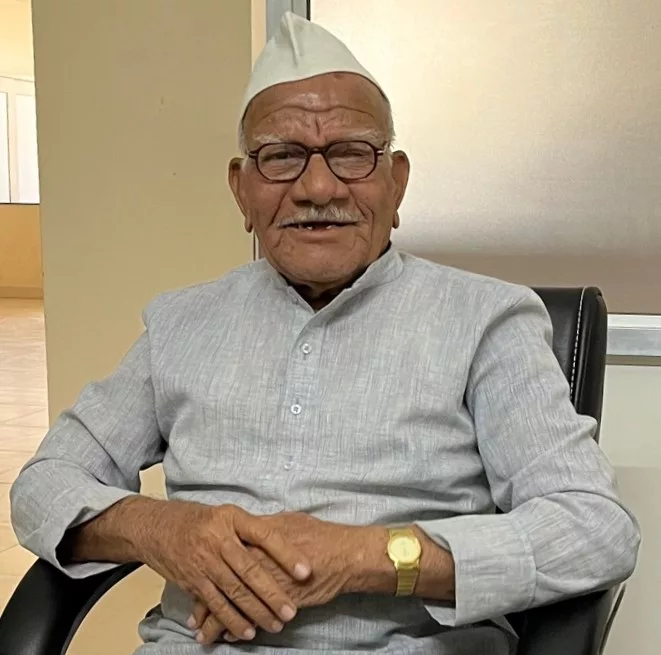
    Babulalji is now 85 He still walks briskly and he radiates a vitalizing energy, the zest and gaiety of an inexhaustible joie de vivre

    Born to Motilalji Ganvir and Bakhubai Bhongade on 1 August 1938 in Sevagram, Babulal was the second of five siblings—two brothers and two sisters.

    A year before Babulal was born, Mahatma Gandhi visualised a need for Nai Talim (New Education, also known as Basic Education) for a new social order. Babulalji’s parents worked for Hindustani Talimi Sangh in Sevagram Ashram, living a life of toil. He was brought up in Sevagram—dotted with traditional homes made of mud and thatch, and the air filled with the fragrance of cow dung. Babulalji gave all his 85 years to Sevagram—he did his schooling at the Zilla Parishad School and the Nai Talim School.

    Back in 1967, M Shankaran, who worked at Sevagram Gandhi Ashram, sent Babulal to Nasik with a letter to Khadi Gramodyog asking for some work. The idea was to help Babulal earn some money. To Babulal’s surprise, Mr LR Pandit, who was associated with Sevagram hospital, was also present in Nasik. Mr Pandit wasted no time in assigning khadi-related work to Babulal. This training proved invaluable as it helped Babulal learn the tricks and tips of the business.

    “In Nai Talim, from dawn to dusk, we would learn by doing it—spinning, weaving, cleaning and farming. This manual work, an important part of the school, helped me to develop physical strength, manual dexterity, and practical skills. I also learned how to stay calm amidst adversities and live a simple and self-sufficient life,” Babulalji described how the Ashram days shaped his life.

    “There is one very important aspect of Babulalji, which I never realised when I was a student. But in today’s commercial world, it would seem rather a quaint anachronism. Babulalji’s canteen never ever had any sign board. There was no need for it. It was perpetually crowded with students. No advertisement was required.” writes Dr Kishore Shah.

    In 1994, he shut his canteen. His sons replaced it with a photocopying shop, an STD booth, a gift centre and a computer shop. Until recently he would regularly walk down the road that led to his shop. Now he prefers home to the shop.

    The Heart of the Village: One Man’s Story of Kindness and Altruism

    “A childhood injury had left Babulalji blind in one eye. Thus, he saw only a two-dimensional world. But I think his world was only one-dimensional. There was only good in his world. So, his method of account keeping was simple. You ate when you were hungry and you paid when you had the money. I have never seen him ask any student for back dues. Never ever in my life have I seen a man with so much disdain for money, but who was so rich in humanity,” writes Kishore Shah.

    What made me write about Babulalji today? Because I believe that his story is a testament to Mark Twain’s adage that kindness is a language which the deaf can hear and the blind can see. A gesture that satiates the hungry and quenches the thirsty. The present generation of medical students might not know him, but ask medical students of the 70s and the 80s if they would have survived Sevagram sans Babulalji, sans his canteen.

    They would shake their heads, disapprovingly. 

  • You’re only as good as your last haircut

    You’re only as good as your last haircut

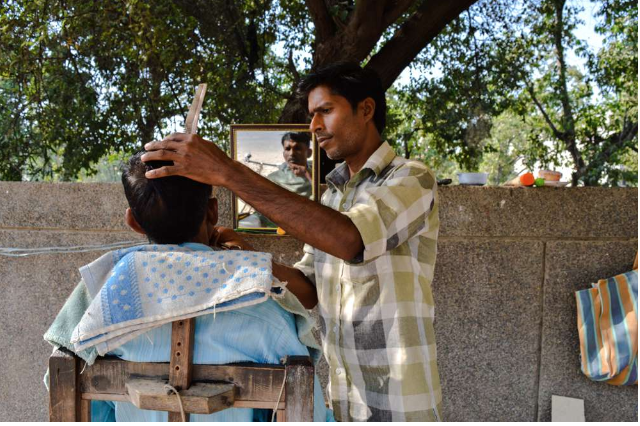
    Chintman’s Ustata- bought in 1970.

    During the seventies, Sevagram was inhabited by simple folks, dealing with their lives in a uniquely engaging, humorous and humane manner. The medical college had just started and boys and girls from Ambala to Ahmednagar and Shahjahanpur to Sambhaji Nagar arrived in the village. Sevagram pleased many no end. Many were overjoyed, but many were silently sulking in their rooms. Many were on cloud nine, for admission to medical college, guaranteed that they would emerge as doctors. However, many complained bitterly about their situation—they found the village too sleepy and boring—but there was no way out.

    The boys and men soon found comfort in Sevagram. They discovered 𝐂𝐡𝐢𝐧𝐭𝐚𝐦𝐚𝐧, a young barber in his mid-twenties. Here is his story.

    Chintamani was born in 1947 to Vithoba Vaidya, a professional barber in Waifad village located 27 km west of Sevagram. Legend has it that his grandfather, a barber who also practised traditional medicine, earned the family nickname “Vaidya,” leading them to adopt it as their surname.

    Despite passing 12th grade in Wardha, Chintamani didn’t find education interesting or exciting, and in 1970, he decided to follow in his father’s footsteps and move to Sevagram.

    And so, the first amateur barber set foot on Sevagram soil.

    Getty Image

    The Initial Days

    Sevagram Medical College had only been operating for a year when Chintamani started his business as a street-side barber. From dawn to dusk he would offer his services on the street that led to Gandhi’s ashram, very close to the old hospital building. He had no radio or television set to distract him from the job. He occasionally nicked his customers with his old-fashioned straight razor and left behind some abrasions, but they never complained. They gladly endured his assaults over their scalps, and seldom complained if he messed up their haircut.

    Chintamani’s third-generation barber genes and his self-taught skills allowed him to quickly establish himself in the trade. He was known for his patience and gentle touch and gained a reputation for leaving a lasting impression on his customers.

    His name quickly travelled far and wide—earning him a reputation of being a barber who won’t make your hair stand on end when you sat on his chair. His customers left his shop feeling satisfied with their haircuts, which helped establish his reputation as a skilled barber.

    After a year, he rented a shop near the Madras Hotel. Due to the growth of his business, Chintamani relocated his shop from near the Madras Hotel to Seth Mathuradas Mohta Dharamshala. In 1990, he rented another shop in the same building, and his son Kiran pays a monthly rent of Rs 1368 to continue the family legacy.

    Kalpana Cutting Salon,” named after his daughter, began to flourish. According to Kiran, Chintamani’s son, “In those days, my father only had a Ustara (a sharp razor), a pair of scissors, combs, a shaving brush, a small mirror, and a Godrej soap. He would wrap a piece of cloth around the customer’s neck – it had been used on dozens of necks before it was considered worth washing – and then offer them a small mirror to admire their new haircut after he had finished. Satisfied customers would appreciate his skills and happily pay his fees before walking out of his shop.”

    Moving into a new shop

    Chintaman received tremendous support from Annasaheb Sastrabuddhe when he moved to his new shop. Previously, Chintaman had been using old, worn-out wooden chairs, but thanks to Annasaheb’s intervention, he was able to order new, high-quality saloon chairs from Bombay. When the chairs arrived at the shop, Chintaman was overwhelmed with gratitude. Annasaheb not only helped with the chair order, but he also raised funds to pay for them, showing his generosity and commitment to helping others.

    “My father knew how to sharpen the saw—no, Ustara,” recalled Kiran, the son of Chintamani Vaidya, as he showed me the old Ustara his father used in the 1970s, the very razor he used to cut the hair of the professors of the medical college. He also preserved a steel Katori that his father used in the shop, dating back to 1968.

    “My father would spend his quiet days sharpening his scissors and cleaning his shop, always preparing for the next customer who would walk through the door,” Kiran added.

    In 1980, the family moved to Karanji Bhoge, a village 3 km south of Sevagram. He purchased three acres of land in the village and rented a mud-plastered thatched hut. Years later, as he began earning a decent living, he built a pukka house.

    During that time, the roads leading to Sevagram were all muddy, and there were no buses or auto-rickshaws available to travel on those routes.

    ” To begin with, ours was the only barber shop in Sevagram. Almost all professors—Dr KN Ingley, OP Gupta, R Narang, VN Chaturvedi, Ahuja, Rajkumar, KK Trivedi, Shetty and AP Jain—used to regularly come to my father. Dr ID Singh was the only professor who never came to our shop,” his son told me. “For he was a Sikh,” he mischievously explained.

    Barber Par Excellence

    Slowly but surely, people began to realize that the barber shop was not just a place to get a haircut, but a place where they could go for a friendly chat and a warm welcome.

    Nothing could beat his traditional shave with an open blade. He would pamper young men by carefully preparing their stubble with Godrej shaving soap and a not-so-soft brush. It was the closest—not necessarily the smoothest—shave his customers experienced. Villagers would travel miles to get a haircut from Chintamani, not because they valued his skills, but because he was the only barber in the village.

    The barbershop also acted as a community centre for unemployed youth. During an average day, young men were constantly in and out of the shop—not to get a shave, but just to admire themselves in the mirror and comb their hair. Chintamani didn’t mind this, and it was all free of cost.

    People would come to the barbershop every day in the afternoon and sit there until evening, reading Marathi newspapers, listening to the radio, gossiping, discussing village politics, and watching the world go by. The barber shop also doubled up as a community centre.

    “Unlike today, nobody in those days would come to my shop to look their best for an important occasion or their big day. I don’t recall a groom coming to me to get their hair in shape, nor did I deliver the sharpest cut for the wedding day,” Chintamani recalled when I cycled to his home to interview him.

    A barber’s chair can be as taxing as a dentist’s chair. Customers should never be left unengaged or bored when they endure a haircut,” he explained. Using his soft skills of conversation-making, he would divert his customers’ minds while he worked.

    Not much,” Kiran replied. “In 1971, a haircut cost 25 paise, and shaving was an additional 10 paise. But by the early nineties, when I joined my father, we charged Rs One for a haircut and fifty paise for shaving.”

    Sevagram was a small village, and their barbershop was the only one in town, so people from neighbouring villages, medical students, paramedics, and later engineering college students, would visit them for their haircuts.

    At one time, Maroti Shirastan, worked under Chintamani’s tutelage. They worked together for 10 years before parting ways. At the height of their success, they had as many as five chairs in the shop and worked from 7 am until well past midnight.

    Chintamani was also known for taking young men under his wing and teaching them the art of barbering. Many of them were quick learners and became experts in their own right.

    Going Down Memory Lane

    “Almost all the barbers in the neighbouring villages did their internships under my father,” Kiran reminisced. “Before starting their own shops in villages such as Karanji Bhoge, Karanji Kazi, Madni, Taroda, Mandgaon, Hamdapur, Kharangana Gode, Kutki, Chanki, Kopra, Nandura, Mandavgarh, Dhanora, Bhankheda, Yesamba and Goji.

    One time, a foreign visitor came to Sevagram and needed a haircut. He stumbled upon Chintamani’s shop and nervously communicated his request, hoping to find someone who could speak English. Chintamani understood the man’s request and gave him a nice haircut. As the visitor was about to leave, he realized he didn’t have any Indian currency to pay for the haircut. Chintamani didn’t know how to convert the foreign currency into Indian rupees, so he simply accepted a few coins the visitor had in his pocket, and thanked him for his business. The visitor was impressed with the humble barber’s hospitality and promised to send him some Indian currency later, which he did.

    Those days were really simple. The V-John shaving cream; Axe and Old Spice aftershaves; Pantene, Dove and Sunsilk shampoos; conditioners and moisturisers were yet to arrive on the shelves of barbershops. No barber posted his work on their Instagrams—for the Instagrams didn’t exist. And the term Nai or Hajjam was not derogatory.

    Came the eighties and the world changed. So did Chintamani. Now, students from the Engineering College and medical school would compete for a spot in his chair.

    An MGIMS alumnus described how the professors acted as the moral guardian of the barber’s shops. Reads his recent WhatsApp post: “The salon walls were now adored with the posters of popular singers and bands from the 1980s— Disco Song singers, the A-Ha band, stars—and their unique hairstyles. On the next visit, I see, not one poster on the wall. Where did the posters go? Vanished without a trace?

    An MGIMS professor (name and department withheld), now his weekly customer, had ordered the posters to be pulled down “so that they do not corrupt the minds or rather the heads of the MGIMS students.” Chintamani was left with no option but to take the posters off.

    Anand Shankar Dixit, a house officer in Medicine belonging to the 1976 batch, went to Chintamani for a haircut in the early 1980s. Halfway through the haircut, Dr. OP Gupta arrived at the salon
    Dixit eyed him and immediately stood up, reverently asking Dr Gupta to take his seat. Dr Gupta tried to prevail upon him, arguing that he needed to complete his haircut, but the obedient house officer would have none of it. Finally, Dr Gupta made a pretence of some urgent work and left the salon, letting Chintamani finish his job.

    The door-to-door barber is a dying breed. In those days, Chintamani would visit all the professors, offering them a decent haircut as they read newspapers on their lawns. In the old days, barbers also doubled as matrimonial agents or marriage brokers, carrying news of eligible bachelors and brides to the households they visited. I am not sure if Chintamani ever indulged in such extra-professional activities, which people from his ilk in North India regularly practised.

    Then and Now

    In those days, the rapidly flourishing Rs 10,000 crore hair and beauty industry didn’t exist in small villages. Surely Chintamani would never have imagined in his wildest dreams, that one day the multinational giant L’Oréal alone would have over 4,000 hair salons in 70 cities across India. He belonged to an era when the Salon and Beauty Parlours Association (SBPA) did not exist in Maharashtra.

    For him, hair on men’s scalps had to be cut, not dressed; to be snipped off, not styled. Neither he nor his son could adapt to the changing landscape of the haircare industry. The air-conditioned state-of-the-art hair salons and spas, the chic salon décor, the urbane language, and the demeanour—these are all things that hair salons in villages lack. This barber shop is neither modern nor fancy and cannot boast of all the latest equipment and products. How will they adapt themselves to modern times?

    I could sense the worry weighing heavily on their minds.

    The father and son had worked hard all their lives to build a reputation as the best barbers in the village. Now, it seemed like everything was slipping away. Despite their fears, Kiran hadn’t given up. He continued to work every day, always with a smile on his face and a kind word for those who came into his shop.

    The very thought that once upon a time, distinguished doctors and venerated teachers had bowed their heads before them and carried out all the neck drills that they dictated as they sat on their salon chairs, left a highly satisfying sense of accomplishment in their hearts.

    Little wonder, when Dr Krishan Aggarwal (MGIMS Class of 1975) was awarded the Padma Shri in 2010, and the news was flashed on the television sets of the neighbouring shops, Chintamani’s chest swelled with pride.

    “Between 1975 and 1983, Dr Krishan would come to me for his haircut and I would make him bow his head before me,” he told the audience.

    As Chintamani grew older, he began to feel the effects of age, and he eventually had to retire. Content with knowing that his legacy would live on through Kiran, his son, he lives a retired life in Karanji Bhoge, barely three km from Sevagram.

    Hair today, gone tomorrow.

  • Stepping Down…

    Stepping Down…

    This morning, I hung up my boots and stepped down as the Medical Superintendent (MS) of MGIMS Hospital.

    Twelve years ago, I reluctantly took on this role. As a physician-teacher with no prior management experience, the early days were daunting. It felt like being thrust into Test cricket at Sabina Park without ever having played first-class cricket.

    The pitch was treacherous, the skies overcast. Some deliveries bounced unexpectedly, while others spun sharply from wide of leg to knock over the off stump. It took time, but I gradually understood the game. Over weeks, I learned where my off stump was. Months later, I found my confidence—starting cautiously in the “V” before fearlessly hooking and pulling.

    Over time, I began to see the bigger picture. The challenges were immense: increasingly empowered patients demanded care that was more convenient, effective, and affordable. Meanwhile, healthcare professionals sought more staff, better budgets, modern equipment, and improved infrastructure. Balancing these competing needs with limited resources felt like walking a tightrope.

    As MS, I experienced both successes and failures. Not all ideas worked as I had hoped, but some exceeded expectations. Along the way, I received more bouquets—and brickbats—than I deserved. This journey, however, allowed me to turn several ideas into reality. Modestly, I believe the hospital became more responsive to community needs during my tenure.

    At times, I may have been petulant, taciturn, or unreasonably demanding. Yet my colleagues stood by me, even when I faltered. Their support was my bedrock, and I owe them my deepest gratitude.

    I did not always perform well, even when conditions were favourable and opportunities were easy. I feared their disappointment, but they accepted my shortcomings with grace. Their support carried me through the toughest times.

    Why did I step down? Many have wondered, though few asked. The answer is simple: I was getting stale. It was time to hand over the reins to someone younger, brighter, and full of zeal. I firmly believe this change will benefit MGIMS in its future endeavors. As Tennyson aptly said, “The old order changeth, yielding place to new.” Or as Vijay Merchant, the cricketing legend, once advised, “Retire when people ask why, not when they ask why not.”

    What is true in cricket is also true in healthcare.

    I feel immense gratitude and respect for the institute where I worked. For years, my colleagues and staff trusted me, overlooked my flaws, and rarely interfered. They stood by me through good times and bad, giving me the freedom to lead.

    Reflecting on my MS days, I am reminded of Charles Dickens in A Tale of Two Cities:

    “It was the best of times, it was the worst of times; it was the age of wisdom, it was the age of foolishness…”

    These words capture the highs and lows of my journey perfectly.

    This morning, as my colleagues bid me a tearful farewell, their kindness overwhelmed me. I cannot thank them enough for their trust, support, and camaraderie over the years.

    What lies ahead? With administrative duties behind me, I plan to focus on teaching and patient care, especially palliative care. I hope to rekindle my passion for research, immerse myself in reading and writing, and spend more time with my family—particularly with Diti, Nivi, and Krit, my grandchildren.

    I look forward to this new chapter, hoping it brings clarity, calm, and the time to rediscover myself.