In May 1982, six weeks after finishing my MD at GMC Nagpur, I arrived at MGIMS as a senior resident in the Department of Medicine. We were a joint family then — my parents, my two brothers, their families, and me — living together in Wardha, on what was Bachelor Road and is now Dr JC Kumarappa Marg, directly opposite Indira Market. The house was eight kilometres from the college. My first assignment was bedside clinics for the 1978 batch, who were heading into their final MBBS examinations that winter, and theory lectures for the 1979 batch.
That summer, Sevagram ran out of water.
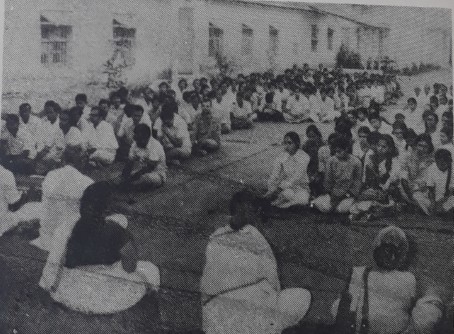
Wells dried up. Rivers shrank to muddy trickles. Overhead tanks emptied and taps coughed air. Three hundred students in the hostels could not cook, could not wash, could barely manage. Dr Chhabra, Reader in Obstetrics and Gynaecology, put it plainly: “Water is the most precious thing now. When we have it, I fill every utensil in my kitchen — even a teaspoon.” She could not have said it better.
Dr ML Sharma was Principal of MGIMS then — the post of Dean did not yet exist. He had no choice. He sent the students home to wait for the monsoon. That was May. The rains would not come for four months.
It was 1983. No cell phones. No internet. No way for anxious parents to know whether their children had been sent home officially or quietly suspended. The students, scattered across the country, were bored and restless. They missed the college, the wards, the noise of the hostels. Mostly, they missed each other.
When the rains finally arrived, the students returned — but four months of theory classes and practicals had vanished. Final MBBS exams were fixed for November. Everyone, teachers and students alike, had catching up to do.
Classes began at seven in the morning, an hour earlier than usual. By eight, another lecture followed. From nine to one, students were split between two departments simultaneously — strokes and leaking heart valves in Medicine, then hernias and hydroceles in Surgery. It was relentless, and it needed to be.
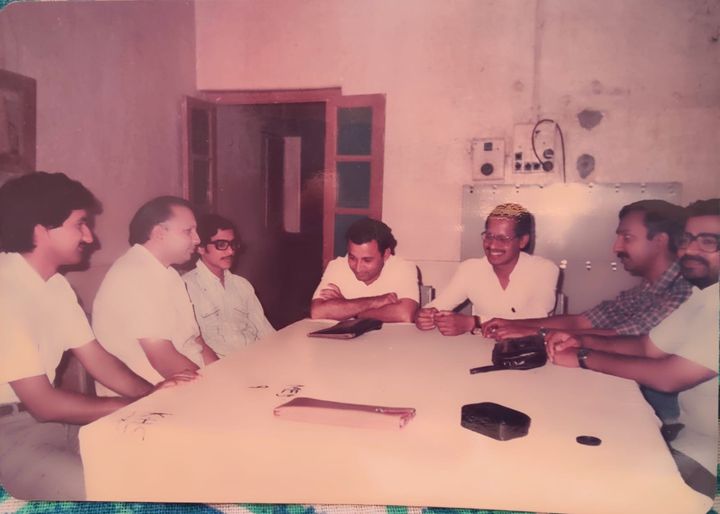
Dr OP Gupta headed the Medicine department then, with Dr AP Jain and Dr Ulhas Jajoo as unit heads. They wore discipline on their khadi shirts. They arrived at seven sharp and expected the same from everyone under them. No explanations. No exceptions.
I was assigned lung disorders. Undergraduates. Seven in the morning.
Ask yourself: how many students today would set an alarm for six, forgo their morning tea, and walk across a dark campus to sit through a sixty-minute lecture? In 1983, the MGIMS students did it — and they came almost without fail.
One weekend, I visited my sister in Bhopal. On Monday morning, a seven o’clock class was waiting for me in Wardha.
The train was late.
I sat watching the minutes go, doing the arithmetic no traveller wants to do. Wardha East — Sevagram station, as it is now called — came at 6:35. Twenty-five minutes to class. Home was a kilometre away. No auto-rickshaws in sight.
I ran.
From the station to my house, in the thin early light, in the clothes I had slept in on the train. I washed quickly, pulled on a khadi shirt and trousers, pushed my feet into my Quo Vadis sandals. My mother held out a glass of milk. I was already through the door.
The Priya scooter started on the first kick.
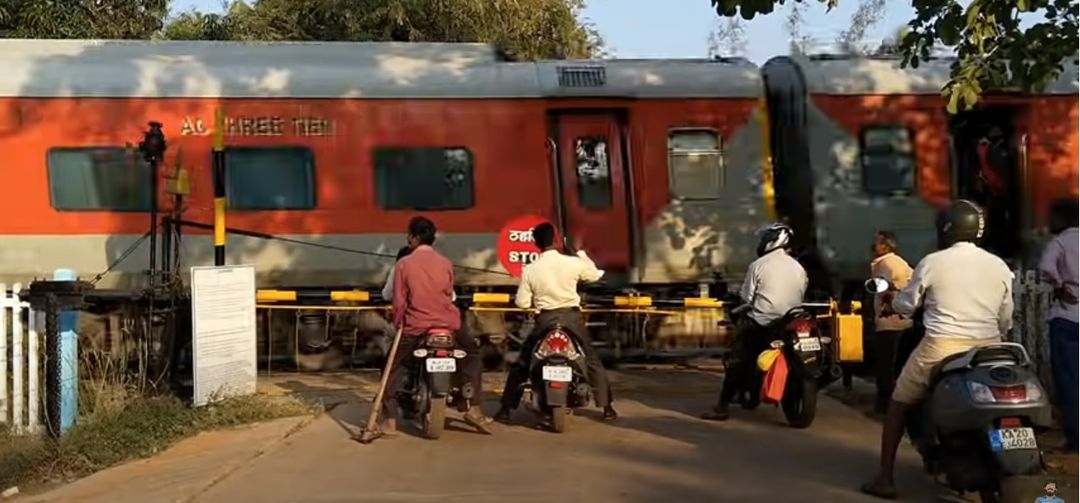
Halfway to Sevagram, the railroad crossing near Wardha East stopped me cold. The Nagpur–Bhusawal passenger train was coming through. The gatekeeper had swung the barrier down, and there was nothing to do but wait.
6:50. Ten minutes to seven.
Then I saw him — a friend, stuck on the other side of the crossing, heading toward Wardha. We read each other’s minds in an instant. We swapped scooters.
His Lambretta was old. It rattled. It groaned. It smelled of oil and better days. I opened the throttle and it protested, then gave in. The needle climbed to eighty. The road was empty, the air sharp, no helmet on my head — helmets were a luxury nobody thought about then. I leaned forward and rode.
I reached the college with seconds to spare. The Lambretta skidded on the muddy ground outside. I shoved it into a rough park, then walked — walked, not ran — into the Adhyayan Mandir, arriving just as the clock struck seven.
The 1979 batch looked up.
I straightened my collar, ran a comb through what remained of my hair, picked up the chalk, and began writing on the blackboard.
It was a small thing. Nobody gave me a medal for it. But standing there, slightly breathless, watching those students settle into their notebooks, I felt something I have never quite forgotten — the quiet, uncomplicated satisfaction of not letting people down.